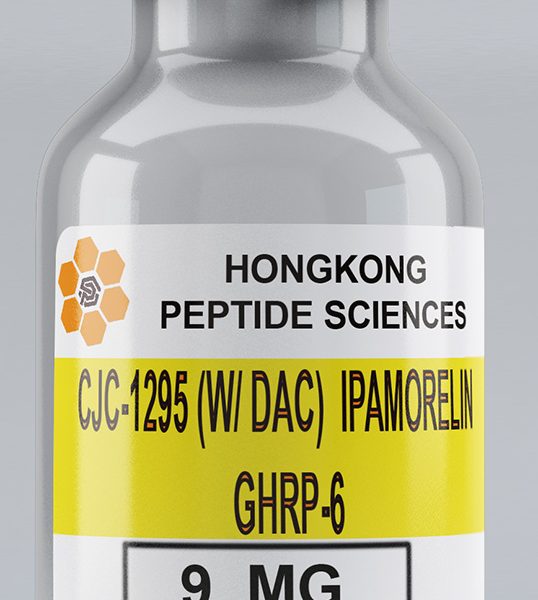
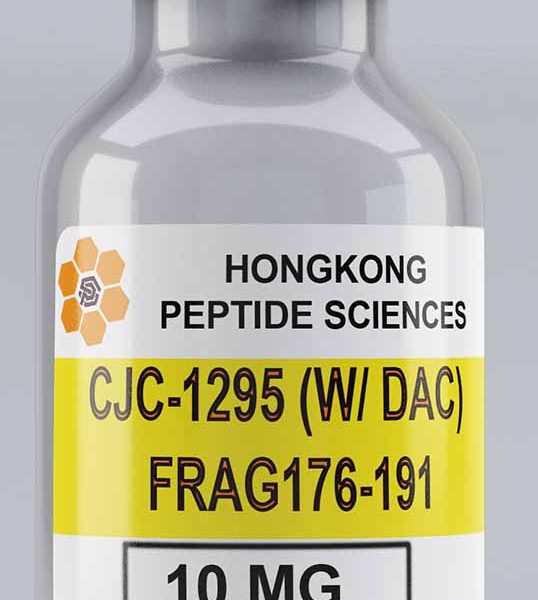
Blend Peptides
Blend Peptides combine multiple bioactive peptides into a single formulation. These blends target complementary biological pathways to support broader and more efficient research outcomes. As a result, researchers often choose blended formulations for multi-mechanism studies.
What Are they
Blend peptides contain carefully selected peptide sequences that work together. Instead of studying one pathway at a time, researchers use these combinations to observe synergistic effects. Consequently, blend peptides help streamline experimental design and improve data relevance.
How they Work
Firstly, each peptide in the blend targets a specific cellular function. Additionally, the combined action supports signaling pathways involved in regeneration, repair, and modulation. Moreover, blended formulations help maintain balance between multiple biological processes. Finally, this approach allows researchers to evaluate broader effects within a single study.
Research Applications
Scientists use them in laboratory research focused on regeneration, cellular signaling, and advanced peptide interaction studies. For example, blended formulations are common in anti-aging research, skin science, and neurobiological experiments. High-quality blends ensure consistency, stability, and reproducible results across applications.
Why Choose them
They reduce formulation complexity and improve experimental efficiency. Furthermore, they offer flexible options for researchers who require multi-target peptide solutions. Proper storage and handling help preserve peptide integrity and performance.
-
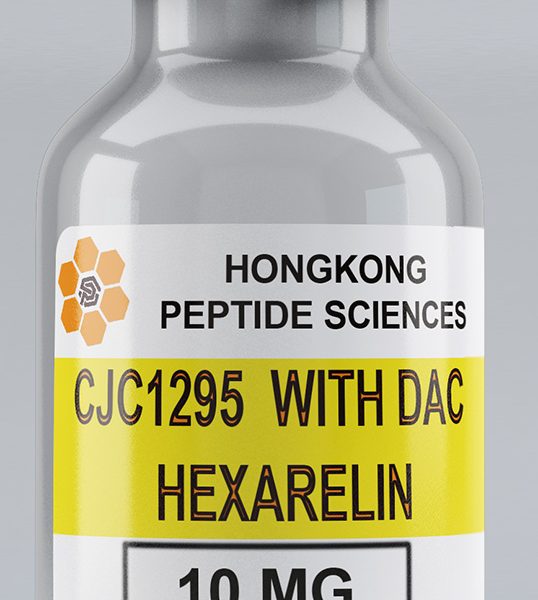
CJC-1295 Dac 5MG+ HEXARELIN 5MG blend peptide
$16.00CJC-1295 Dac 5MG+ HEXARELIN 5MG blend peptide
Price is base on 1 vial
All of our products and services listed in this website are for research or production use only, not for direct human use.
-
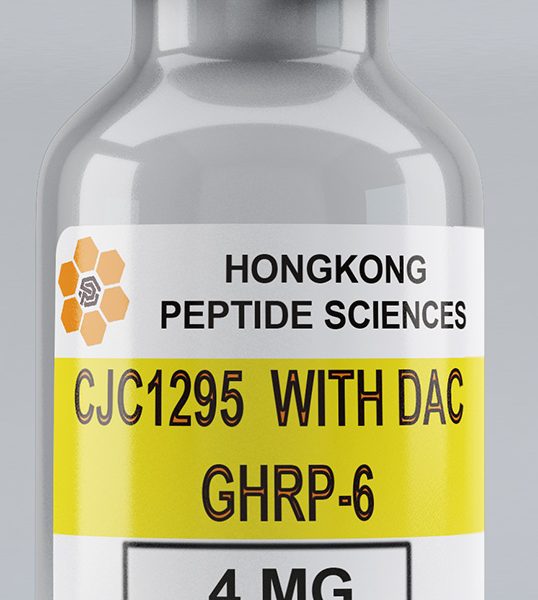
CJC-1295 w/Dac 2MG+ GHRP6 2 MG blend peptide
$10.00CJC-1295 w/Dac 2MG+ GHRP6 2 MG blend peptide
Price is base on 1 vial
All of our products and services listed in this website are for research or production use only, not for direct human use.
-
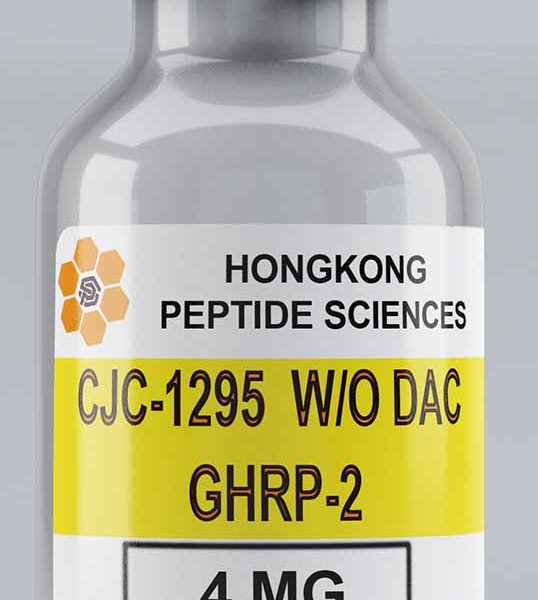
CJC-1295 w/o Dac 2MG+ GHRP-2 2 MG blend peptide
$5.00CJC-1295 w/o Dac 2MG+ GHRP-2 2 MG blend peptide
Price is base on 1 vial
All of our products and services listed in this website are for research or production use only, not for direct human use.
-
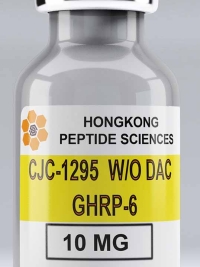
CJC-1295 w/o Dac 2MG+ GHRP6 2 MG blend peptide
$5.00CJC-1295 w/o Dac 2MG+ GHRP6 2 MG blend peptide
Price is base on 1 vial
All of our products and services listed in this website are for research or production use only, not for direct human use.
-
CJC-1295 w/o Dac 5MG+ GHRP6 5 MG blend peptide
$8.00CJC-1295 w/o Dac 5MG+ GHRP6 5 MG blend peptide
Price is base on 1 vial
All of our products and services listed in this website are for research or production use only, not for direct human use.
-
CJC-1295 w/o Dac 5MG+ HEXARELIN 5MG blend peptide
$13.00CJC-1295 w/o Dac 5MG+ HEXARELIN 5MG blend peptide
Price is base on 1 vial
All of our products and services listed in this website are for research or production use only, not for direct human use.
-
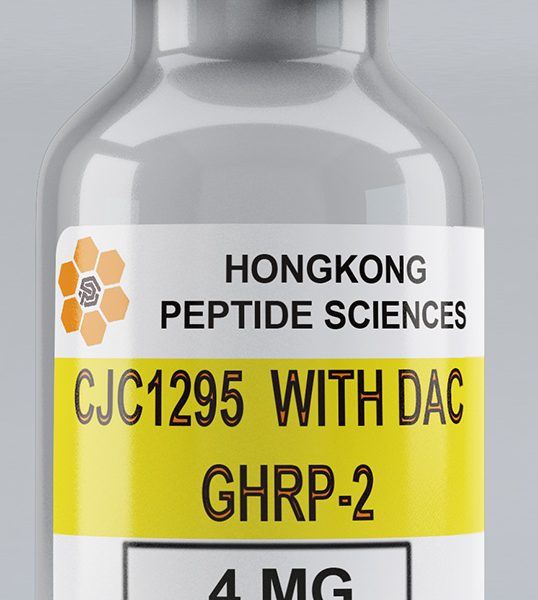
CJC-1295 with Dac 2MG+ GHRP-2 2 MG blend peptide
$11.00CJC-1295 with Dac 2MG+ GHRP-2 2 MG blend peptide
Price is base on 1 vial
All of our products and services listed in this website are for research or production use only, not for direct human use.
-
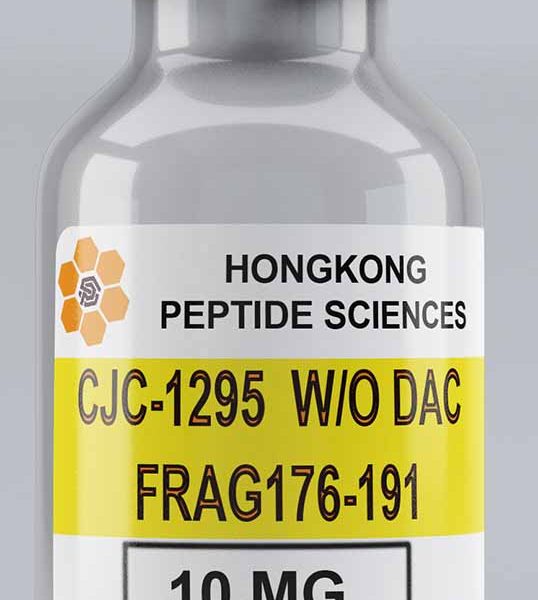
CJC1295 w/o Dac 5MG+ FRAGMENT176-191 5MG blend peptide
$12.00CJC1295 w/o Dac 5MG+ FRAGMENT176-191 5MG blend peptide
Price is base on 1 vial
All of our products and services listed in this website are for research or production use only, not for direct human use.
-
CJC1295 w/o Dac 5MG+ IPAMORELIN 5MG blend peptide
$9.00CJC1295 w/o Dac 5MG+ IPAMORELIN 5MG blend peptide
Price is base on 1 vial
All of our products and services listed in this website are for research or production use only, not for direct human use.
-
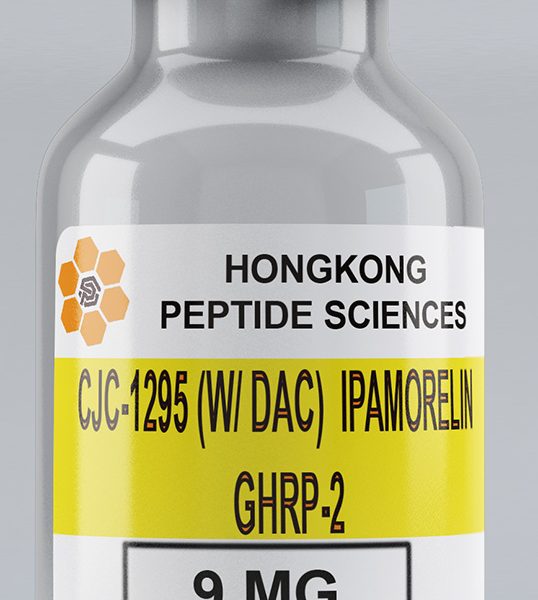
CJC1295 with Dac 3MG+ IPAMORELIN 3MG +GHRP2 3MG blend peptide
$13.00CJC1295 with Dac 3MG+ IPAMORELIN 3MG +GHRP2 3MG blend peptide
Price is base on 1 vial
All of our products and services listed in this website are for research or production use only, not for direct human use.
-
CJC1295 with Dac 3MG+ IPAMORELIN 3MG +GHRP6 3MG blend peptide
$13.00CJC1295 with Dac 3MG+ IPAMORELIN 3MG +GHRP6 3MG blend peptide
Price is base on 1 vial
All of our products and services listed in this website are for research or production use only, not for direct human use.
-
CJC1295 with Dac 5MG+ FRAGMENT176-191 5MG blend peptide
$19.00CJC1295 with Dac 5MG+ FRAGMENT176-191 5MG blend peptide
Price is base on 1 vial
All of our products and services listed in this website are for research or production use only, not for direct human use.