LGD4033 Ligandrol
Ligandrol (LGD-4033): A Selective Androgen Receptor Modulator for Laboratory Research Use Only
Abstract
Ligandrol (LGD-4033) is a nonsteroidal selective androgen receptor modulator (SARM) developed for experimental research into androgen receptor signaling, muscle and bone physiology, and endocrine modulation. While ligandrol mimics certain anabolic effects of testosterone at the receptor level, its use remains restricted to laboratory and preclinical research contexts. There is currently no robust scientific evidence supporting its safe or effective use in humans for performance enhancement or medical treatment. Additionally, ligandrol is prohibited in dietary supplements and is banned by major anti-doping organizations.
Chemical and Pharmacological Overview
Ligandrol belongs to a class of synthetic compounds known as Selective Androgen Receptor Modulators (SARMs). These molecules are designed to bind selectively to androgen receptors (ARs) in specific tissues, such as skeletal muscle and bone, while minimizing activity in androgen-sensitive organs like the prostate.
Unlike endogenous testosterone or anabolic steroids, ligandrol is nonsteroidal, which makes it a valuable compound for laboratory studies investigating receptor selectivity, anabolic signaling pathways, and tissue-specific androgenic activity.
Key Characteristics
-
Compound Name: Ligandrol
-
Alternate Designation: LGD-4033
-
Chemical Class: Nonsteroidal SARM
-
Primary Target: Androgen receptor (AR)
-
Intended Use: Laboratory and research applications only
Mechanism of Action (Research Context)
Ligandrol binds to androgen receptors located in the cytoplasm of target cells. Upon receptor binding, the ligand–receptor complex translocates to the nucleus, where it interacts with androgen response elements (AREs) on DNA. This interaction modulates gene transcription associated with:
-
Muscle protein synthesis
-
Nitrogen retention
-
Bone mineral density pathways
Because of its selective binding profile, ligandrol is often studied in comparative models assessing anabolic versus androgenic activity.
Research Applications
In controlled laboratory environments, ligandrol has been investigated for:
-
Androgen receptor signaling mechanisms
-
Muscle atrophy and wasting models
-
Bone density and osteoporosis research
-
Hormonal feedback loop studies
-
Structure–activity relationship (SAR) analysis
⚠️ Important: These investigations are limited to in vitro systems and animal models. Results from such studies cannot be extrapolated to human use.
Safety and Toxicological Considerations
There is insufficient clinical evidence to establish ligandrol’s safety profile in humans. Experimental data suggest potential risks related to:
-
Endocrine suppression
-
Altered lipid metabolism
-
Hepatic stress markers
-
Long-term hormonal dysregulation
As a result, ligandrol should be handled only by qualified personnel in properly equipped research facilities, following institutional safety protocols.
Regulatory and Legal Status
-
United States:
SARMs, including ligandrol, are illegal to include in dietary supplements. Products containing ligandrol marketed for human consumption violate federal regulations. -
Anti-Doping Regulations:
Ligandrol is explicitly banned by:-
World Anti-Doping Agency (WADA)
-
National Collegiate Athletic Association (NCAA)
-
-
Detection:
Ligandrol and its metabolites are detectable in urine, making it unsuitable for any athlete subject to drug testing.
Ethical and Compliance Notice
Ligandrol is not approved for:
-
Human consumption
-
Veterinary use
-
Medical therapy
-
Dietary supplementation
Any research involving ligandrol must comply with:
-
Institutional review standards
-
Chemical handling regulations
-
Ethical research guidelines
Ligandrol (LGD-4033) remains a compound of scientific interest due to its selective androgen receptor activity. However, its application is strictly confined to laboratory research settings. The absence of high-quality human safety data, combined with regulatory prohibitions and anti-doping bans, underscores the importance of restricting ligandrol to controlled experimental use only.
-
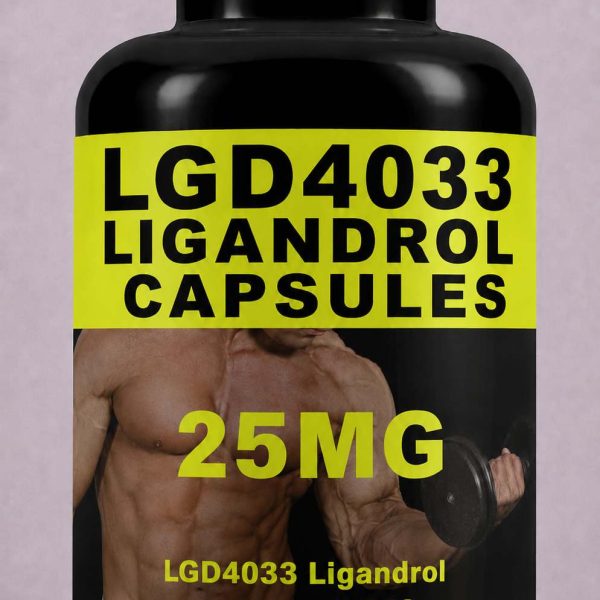
LGD4033 Ligandrol capsules 25MG 5000pcs
Original price was: $12,000.00.$2,500.00Current price is: $2,500.00.LGD4033 Ligandrol capsules 25MG 5000pcs
Price is base on 5000 pcs capsule
All of our products and services listed in this website are for research or production use only, not for direct human use.
-
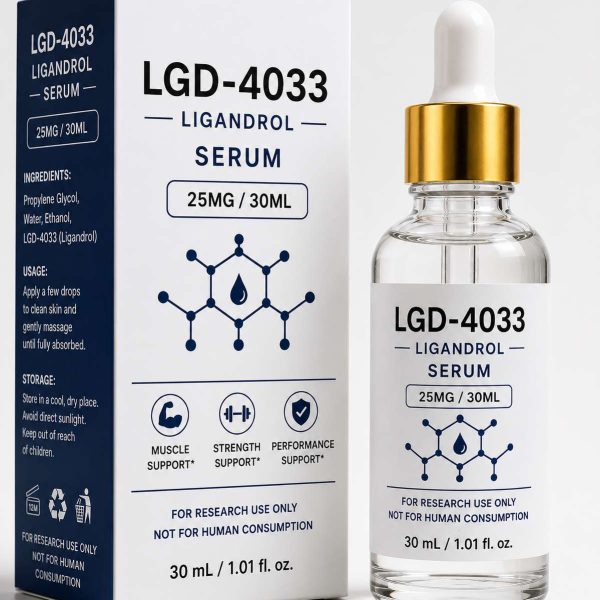
Wholesale LGD-4033 Ligandrol Dropper 25MG/30ml -100units
Original price was: $5,000.00.$1,100.00Current price is: $1,100.00.Wholesale LGD-4033 Ligandrol Dropper 25MG/30ml -100units
Price is base on 100 unit
All of our products and services listed in this website are for research or production use only, not for direct human use.
-
LGD4033 Ligandrol capsules 25MG 1000pcs
Original price was: $1,200.00.$640.00Current price is: $640.00.LGD4033 Ligandrol capsules 25MG 1000pcs
Price is base on 1000 pcs capsule
All of our products and services listed in this website are for research or production use only, not for direct human use.
-
LGD-4033 Ligandrol Dropper 25MG/30ml -10units
Original price was: $2,000.00.$150.00Current price is: $150.00.LGD-4033 Ligandrol Dropper 25MG/30ml -10units
Price is base on 10 unit
All of our products and services listed in this website are for research or production use only, not for direct human use.
-
LGD4033 Ligandrol capsules 25MG 100pcs
Original price was: $120.00.$72.00Current price is: $72.00.LGD4033 Ligandrol capsules 25MG 100pcs
Price is base on 100 pcs capsule
All of our products and services listed in this website are for research or production use only, not for direct human use.
-
LGD-4033 Ligandrol Dropper 25MG/30ml
Original price was: $120.00.$19.00Current price is: $19.00.LGD-4033 Ligandrol Dropper 25MG/30ml
Price is base on 1 unit
All of our products and services listed in this website are for research or production use only, not for direct human use.