

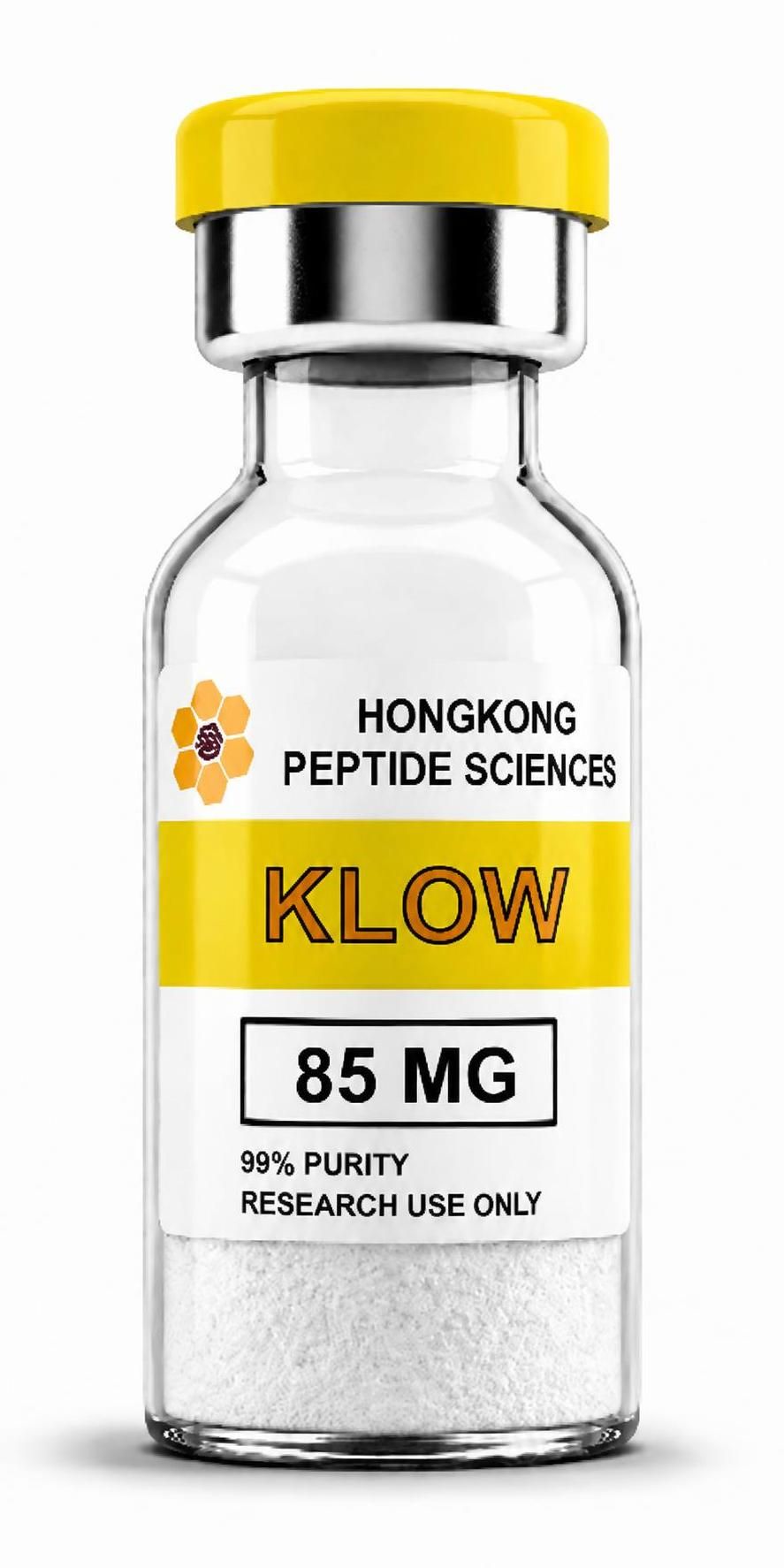
KLOW 85mg
$300.00 Original price was: $300.00.$22.00Current price is: $22.00.
KLOW 85mg
Price is base on 1 vial
All of our products and services listed in this website are for research or production use only, not for direct human use.
KLOW 85mg
HPS Manufacturer 99.5% Purity Research Peptide Blend
KLOW 85mg is a premium four-component research peptide blend manufactured by HongKong Peptide Sciences (HPS). Developed with a defined 85mg formulation, KLOW 85mg combines KPV 15mg, GHK-Cu 50mg, TB-500 10mg, and BPC-157 10mg. This precisely declared composition makes KLOW 85mg a clearly identified multi-component research material for laboratory and analytical applications.
HPS manufactures KLOW 85mg with a focus on ingredient identification, formulation consistency, and quality-control documentation. The product carries a 99.5% target purity specification, subject to batch-specific HPLC verification. Every KLOW 85mg formulation is defined by four individually specified components, allowing researchers to identify the composition and evaluate the applicable analytical documentation.
The main ingredient in KLOW 85mg is GHK-Cu at 50mg, representing approximately 58.82% of the total blend. KPV contributes 15mg, while TB-500 and BPC-157 each contribute 10mg. This formulation gives KLOW 85mg a total declared peptide content of 85mg.
As an HPS-manufactured product, KLOW 85mg is positioned for customers seeking clearly specified research peptide blends. HPS emphasizes appropriate raw-material assessment, HPLC analysis, mass spectrometry identification, and batch traceability. These quality-control considerations are important when evaluating KLOW 85mg and other multi-component peptide research materials.
Researchers evaluating KLOW 85mg can refer to its technical specifications, chemical composition, and applicable certificate of analysis. HPLC can assess chromatographic purity, while LC-MS can support molecular identification. For a multi-component formulation such as KLOW 85mg, analytical assessment should distinguish individual component purity from the purity of the finished blend.
The declared composition of KLOW 85mg includes:
- KPV: 15mg
- GHK-Cu: 50mg
- TB-500: 10mg
- BPC-157: 10mg
HPS provides KLOW 85mg as part of its research peptide product portfolio, with manufacturer-direct wholesale enquiries available. Customers interested in purchasing KLOW 85mg can contact HPS regarding bulk orders, packaging specifications, batch documentation, and private-label requirements.
The manufacturing specifications for KLOW 85mg prioritize clear ingredient declarations and consistent product identification. For international wholesale buyers, KLOW 85mg offers a defined formulation supported by technical product information and applicable quality-control records.
When comparing suppliers, customers should evaluate KLOW 85mg according to manufacturer information, ingredient quantities, analytical methods, and batch-specific documentation rather than relying exclusively on advertised purity figures.
HPS aims to provide reliable manufacturer-direct supply of KLOW 85mg for qualified laboratory research customers and wholesale distributors. With its four-component formulation, clearly declared 85mg composition, and 99.5% target purity specification, KLOW 85mg is a defined addition to the HPS research peptide range.
For product specifications, wholesale enquiries, and analytical documentation, contact HongKong Peptide Sciences directly about KLOW 85mg.
KLOW 85mg is supplied for laboratory research use only and is not intended for human or veterinary administration, consumption, diagnosis, or treatment.
| Product Name: |
KLOW 85mg |
| Unit size: | 85 mg/vial |
| CAS NO.: | |
| Synonyms: | |
| Sequence: | |
| Purity: | ≥99% (HPLC) |
| Physical State: | Lyophilized Powder |
| Solubility: | Soluble in water or 1% acetic acid |
| Storage: | Lyophilized peptides although stable at room temperature for 3 months, should be stored desiccated below -18°C. Upon reconstitution of the peptide it should be stored at 4°C between 2-21 days and for future use below -18°C. |
KLOW 85mg – Technical Specifications
| Parameter | Specification |
|---|---|
| Product Name | KLOW 85mg |
| Manufacturer | HongKong Peptide Sciences (HPS) |
| Product Type | Four-Component Peptide Blend |
| Total Declared Content | 85mg |
| KPV Content | 15mg |
| GHK-Cu Content | 50mg |
| TB-500 Content | 10mg |
| BPC-157 Content | 10mg |
| Number of Components | 4 |
| Target Purity | 99.5% |
| Purity Analysis | HPLC, subject to batch verification |
| Molecular Identification | LC-MS / MS, as applicable |
| Appearance | Lyophilized powder, if supplied in this form |
| Formulation | Multi-component research blend |
| Product Grade | Research Grade |
| Batch Identification | Lot-specific |
| Quality Documentation | COA, where available |
| Packaging | Manufacturer-specified sealed packaging |
| Intended Application | Laboratory research and analytical use only |
| Manufacturer Supply | HPS Direct |
KLOW 85mg – Chemical and Molecular Specifications
| Component | Chemical Name / Description | Molecular Formula | Molecular Weight |
|---|---|---|---|
| KPV | Lysine-Proline-Valine tripeptide | C₁₆H₃₀N₄O₄ | 342.44 g/mol |
| GHK-Cu | Copper(II) complex of Gly-His-Lys | Formulation-dependent | Approx. 403.9 g/mol* |
| TB-500 | Thymosin beta-4-related research peptide; sequence identity must be specified | Sequence-dependent | Not assigned |
| BPC-157 | Synthetic pentadecapeptide | C₆₂H₉₈N₁₆O₂₂ | 1419.54 g/mol |
*GHK-Cu molecular weight depends on the chemical form, copper stoichiometry, counterions and hydration state. TB-500 is not a sufficiently precise chemical identity to assign a unique molecular formula or molecular weight without confirming the actual peptide sequence. Values should be checked against the supplier’s raw-material specifications.
KLOW 85mg – Component Distribution
| Component | Weight | Percentage |
|---|---|---|
| KPV | 15mg | 17.65% |
| GHK-Cu | 50mg | 58.82% |
| TB-500 | 10mg | 11.76% |
| BPC-157 | 10mg | 11.76% |
| Total | 85mg | 100% |
Analytical Quality-Control Parameters
| Test Parameter | Analytical Method | Quality Objective |
|---|---|---|
| Peptide identity | LC-MS / MS | Confirm molecular identity |
| Chromatographic purity | HPLC | Assess purity profile |
| Molecular mass | Mass spectrometry | Verify expected molecular mass |
| Component identification | Validated chromatographic method | Identify individual components |
| Copper content | ICP-MS / ICP-OES | Characterize copper content |
| Residual moisture | Karl Fischer | Determine water content |
| Residual solvents | GC, where applicable | Evaluate residual solvents |
| Appearance | Visual inspection | Assess physical characteristics |
| Batch consistency | Comparative analytical testing | Evaluate batch-to-batch consistency |
Manufacturer’s specification: HPS target purity 99.5%, subject to batch-specific analytical verification. The finished four-component blend should have a validated analytical method that distinguishes the four components; individual peptide HPLC purity results should not automatically be presented as finished-blend purity.
KLOW 85mg
Premium Research Peptide Blend | HPS Manufacturer | 99.5% Purity
KLOW 85mg – Advanced Four-Component Peptide Blend Manufactured by HPS
KLOW 85mg is a premium four-component peptide blend manufactured by HongKong Peptide Sciences (HPS), combining KPV, GHK-Cu, TB-500, and BPC-157 into one precisely formulated research-grade product. With a total composition of 85mg, KLOW 85mg brings together four distinct peptide and peptide-complex ingredients in a standardized formulation designed for laboratory research and analytical applications.
Manufactured under the HPS quality-control framework, KLOW 85mg is developed with an emphasis on raw material identification, formulation consistency, analytical verification, and batch traceability. HPS specifies a target purity of 99.5%, subject to confirmation through the applicable batch-specific analytical documentation.
The formulation contains four carefully measured components:
- KPV – 15mg: A tripeptide consisting of lysine, proline, and valine.
- GHK-Cu – 50mg: A copper-binding tripeptide complex consisting of glycyl-L-histidyl-L-lysine associated with copper.
- TB-500 – 10mg: A research peptide associated with the thymosin beta-4 peptide research field.
- BPC-157 – 10mg: A synthetic pentadecapeptide used in laboratory peptide research.
With its defined 85mg total composition, KLOW 85mg provides researchers with a standardized multi-component research material manufactured by HPS.
KLOW 85mg Composition and Ingredient Specifications
The defining characteristic of KLOW 85mg is its precisely declared ingredient distribution. Each component has an individual mass specification, making the complete formulation identifiable and suitable for analytical characterization.
| Ingredient | Quantity | Composition |
|---|---|---|
| KPV | 15mg | 17.65% |
| GHK-Cu | 50mg | 58.82% |
| TB-500 | 10mg | 11.76% |
| BPC-157 | 10mg | 11.76% |
| Total | 85mg | 100% |
The four ingredients represent different peptide structures and research categories. Their combination creates a defined multi-component formulation rather than an individual peptide product.
HPS maintains clear ingredient identification and formulation specifications to support product documentation, laboratory inventory management, and independent analytical assessment.
KPV 15mg – Tripeptide Component
KPV is a short tripeptide consisting of three amino acids: lysine, proline, and valine. It is structurally associated with the alpha-melanocyte-stimulating hormone peptide sequence.
Within KLOW 85mg, KPV represents 15mg of the total 85mg formulation, accounting for approximately 17.65% of the declared composition.
As a defined peptide component, KPV can be characterized through appropriate analytical techniques, including chromatographic and mass-spectrometric methods.
HPS identifies KPV as an individual formulation component and maintains its declared quantity as part of the overall product specification.
GHK-Cu 50mg – Copper Peptide Component
GHK-Cu is a copper-binding tripeptide consisting of glycyl-L-histidyl-L-lysine associated with a copper ion. It is commonly classified within the copper peptide research category.
In KLOW 85mg, GHK-Cu represents the largest individual component, contributing 50mg or approximately 58.82% of the total formulation.
The copper-associated structure makes appropriate analytical characterization particularly important. Identity, peptide content, copper association, and relevant impurity profiles should be evaluated using suitable validated analytical methods.
HPS includes GHK-Cu as the primary mass component of KLOW 85mg, with the declared quantity incorporated into the product’s formulation specification.
TB-500 10mg – Research Peptide Component
TB-500 is a name commonly used in the research peptide market for materials associated with the thymosin beta-4 peptide research field.
KLOW 85mg contains a declared 10mg quantity of TB-500, representing approximately 11.76% of the total formulation.
Peptide identity and molecular characterization are important considerations when evaluating TB-500-containing research materials. Appropriate analytical methods may include HPLC and mass spectrometry, depending on the material and analytical objectives.
HPS includes TB-500 as one of the four individually specified components of its KLOW 85mg formulation.
BPC-157 10mg – Synthetic Pentadecapeptide Component
BPC-157 is a synthetic pentadecapeptide consisting of 15 amino acids. It is a recognized subject within experimental peptide research.
The KLOW 85mg formulation contains 10mg of BPC-157, representing approximately 11.76% of the total declared composition.
For research material characterization, peptide identity, chromatographic purity, molecular mass, and relevant impurity profiles are important analytical parameters.
HPS incorporates BPC-157 into the KLOW 85mg formulation with a defined 10mg component specification.
HPS Manufacturing Standards and Quality Control
HongKong Peptide Sciences (HPS) is the manufacturer behind the KLOW 85mg formulation. The product is positioned around controlled formulation specifications, raw material identification, analytical quality assessment, and batch-level documentation.
For multi-component peptide products, manufacturing quality involves more than the specification of the individual ingredients. It also requires attention to the consistency of the final blend, component identification, handling conditions, packaging integrity, and batch traceability.
HPS focuses on the following manufacturing and quality-control considerations:
1. Raw Material Identification
Individual ingredients should be identified before formulation. Appropriate analytical characterization helps establish that the materials correspond to their declared identities.
2. Formulation Accuracy
KLOW 85mg has a defined four-component composition. Each ingredient has an individual mass specification, with a combined declared total of 85mg.
3. HPLC Analytical Assessment
High-performance liquid chromatography (HPLC) is an important analytical technique for evaluating chromatographic purity and identifying relevant impurity profiles.
4. Mass Spectrometry Verification
Mass spectrometry (MS) can provide molecular-mass information to support the identification and characterization of peptide materials.
5. Batch Documentation
Batch-specific analytical documentation provides important information about the material supplied, including applicable identity, purity, and quality-control results.
6. Packaging and Product Identification
Clear product labeling and batch identification support inventory control, product traceability, and laboratory documentation.
99.5% Purity Specification – HPS Quality Commitment
HPS specifies a target purity of 99.5% for KLOW 85mg, subject to the analytical method and batch-specific certificate of analysis.
Purity is an important consideration when evaluating research-grade peptide materials. However, for a four-component formulation, the analytical interpretation requires particular attention.
The chromatographic purity of an individual peptide ingredient is not necessarily equivalent to the overall purity of the complete blend. Different peptide components may have different chromatographic properties, retention times, and analytical responses.
For this reason, HPS recommends evaluating the applicable analytical documentation for the supplied batch rather than treating the purity of an individual ingredient as proof of the purity of the entire formulation.
Relevant quality-control parameters may include:
- HPLC chromatographic purity.
- Peptide identity verification.
- Mass spectrometry results.
- Relevant impurity characterization.
- Component composition.
- Batch identification and traceability.
- Packaging and labeling verification.
The 99.5% specification should be supported by an appropriate validated analytical method and batch-specific results.
KLOW 85mg Technical Specifications
| Specification | Details |
|---|---|
| Product Name | KLOW 85mg |
| Manufacturer | HongKong Peptide Sciences (HPS) |
| Product Category | Multi-Component Peptide Blend |
| Total Declared Content | 85mg |
| KPV | 15mg |
| GHK-Cu | 50mg |
| TB-500 | 10mg |
| BPC-157 | 10mg |
| Target Purity Specification | 99.5% |
| Analytical Methods | HPLC / MS, as applicable |
| Product Format | Research-grade raw material |
| Quality Documentation | Batch-specific COA, where available |
| Product Identification | Batch and formulation labeling |
| Intended Classification | Laboratory Research Use Only |
Why Choose HPS KLOW 85mg?
Selecting a multi-component peptide research material requires attention to manufacturer reliability, ingredient identification, formulation consistency, and analytical documentation.
HPS develops its KLOW 85mg product around a clearly defined four-component formulation. Rather than relying on an unspecified proprietary blend, the product identifies each ingredient and its individual declared quantity.
Several characteristics distinguish the HPS formulation:
Defined 85mg Formulation
The product has a clearly specified total composition of 85mg, consisting of four identified components.
Four Identified Ingredients
KPV, GHK-Cu, TB-500, and BPC-157 are individually listed, allowing researchers to identify the composition without relying on undisclosed ingredient quantities.
99.5% Target Purity
HPS specifies a 99.5% purity target, with actual batch conformity requiring supporting analytical results.
Analytical Quality Control
HPLC and mass spectrometry are relevant analytical tools for evaluating peptide identity, chromatographic characteristics, and molecular-mass information.
Manufacturer Direct Supply
HPS provides manufacturer-direct supply arrangements for qualified wholesale and research-material customers.
Batch Traceability
Product identification and batch-specific documentation help support laboratory purchasing, inventory management, and quality assessment.
Wholesale KLOW 85mg – Direct Manufacturer Supply
HongKong Peptide Sciences offers KLOW 85mg as part of its multi-component peptide product portfolio.
For wholesale customers, consistent formulation specifications and product documentation are important considerations when evaluating a manufacturer. HPS focuses on supplying clearly identified research materials with defined ingredient quantities and applicable quality-control records.
Wholesale enquiries can cover:
- Bulk KLOW 85mg purchasing.
- Manufacturer-direct supply.
- Private-label packaging enquiries.
- Custom product labeling.
- Wholesale packaging configurations.
- Batch-specific quality documentation.
- HPLC and MS analytical records, where available.
- International research-material supply enquiries.
HPS works with qualified wholesale buyers and research-material distributors seeking clearly specified peptide products.
For larger purchasing requirements, customers can contact HPS to discuss order quantities, packaging specifications, availability, and applicable documentation.
KLOW 85mg Analytical Characterization
Analytical characterization is an important part of evaluating multi-component peptide blends.
Because KLOW 85mg contains four different peptide components, its characterization should account for the analytical properties of each ingredient and the complete formulation.
HPLC can be used to evaluate chromatographic profiles and relevant purity parameters. Mass spectrometry can provide molecular-mass information to assist with identity verification.
For a multi-component blend, analytical assessment should distinguish between:
- The purity of individual starting materials.
- The identity of each declared component.
- The composition of the final blend.
- The chromatographic profile of the finished formulation.
- Relevant process-related and product-related impurities.
A suitable analytical strategy should be selected according to the properties of the individual components and the intended quality specification.
HPS emphasizes the importance of accurate product identification and appropriate analytical documentation for KLOW 85mg.
Storage, Handling and Laboratory Documentation
Research peptide materials should be handled according to their applicable technical documentation and material-specific stability requirements.
Storage conditions may differ depending on the individual peptide components, formulation, packaging, moisture exposure, and environmental conditions.
Researchers should consult the applicable manufacturer documentation for storage requirements, handling precautions, and stability information.
For laboratory inventory and quality-control purposes, it is also useful to retain:
- Product identification.
- Batch or lot number.
- Manufacturing or release documentation, where available.
- Certificate of analysis.
- Applicable storage information.
- Analytical records.
KLOW 85mg is supplied as a laboratory research material and is not presented as an approved medicine, dietary supplement, or product for human or veterinary administration.
Frequently Asked Questions About KLOW 85mg
What is KLOW 85mg?
KLOW 85mg is a four-component peptide blend manufactured by HongKong Peptide Sciences (HPS). It contains KPV 15mg, GHK-Cu 50mg, TB-500 10mg, and BPC-157 10mg, giving a total declared composition of 85mg.
What are the ingredients in KLOW 85mg?
The formulation contains four identified components: KPV, GHK-Cu, TB-500, and BPC-157. Each component has a specified quantity within the final 85mg blend.
Who manufactures KLOW 85mg?
KLOW 85mg is manufactured by HongKong Peptide Sciences (HPS), which provides manufacturer-direct research-material supply and applicable quality-control documentation.
What is the purity of KLOW 85mg?
HPS specifies a target purity of 99.5%. Actual conformity should be evaluated using the relevant batch-specific certificate of analysis and appropriate analytical testing.
Is KLOW 85mg a single peptide?
No. KLOW 85mg is a multi-component formulation containing four individually identified peptide or peptide-complex ingredients.
Does HPS provide wholesale KLOW 85mg?
HPS offers manufacturer-direct wholesale enquiries for KLOW 85mg, including bulk purchasing, packaging requirements, and applicable batch documentation.
Does KLOW 85mg have HPLC and MS documentation?
HPLC and mass spectrometry are relevant analytical methods for peptide characterization. Availability and results of documentation should be confirmed for the specific supplied batch.
HPS – Manufacturer of KLOW 85mg
HongKong Peptide Sciences is committed to supplying clearly specified research-grade peptide materials with attention to formulation identification, analytical assessment, and manufacturing quality control.
KLOW 85mg represents a defined four-component formulation containing 15mg KPV, 50mg GHK-Cu, 10mg TB-500, and 10mg BPC-157.
With its declared 85mg total composition and 99.5% target purity specification, KLOW 85mg is part of the HPS multi-component research peptide portfolio.
For manufacturer-direct wholesale enquiries, bulk purchasing, private-label packaging, and product documentation, contact HongKong Peptide Sciences.
HPS – HongKong Peptide Sciences
Manufacturer | Research Peptide Blends | Wholesale Supply | Analytical Quality Control
For laboratory research use only. Not intended for human or veterinary consumption, injection, diagnosis, treatment, or prevention of disease. Purity and composition specifications must be verified against the applicable batch-specific certificate of analysis.
KGLOW 85mg Fortschrittlicher Peptid-Komplex
KPV 15mg • GHK-Cu 50mg • TB-500 10mg • BPC-157 10mg
Nur für Laborforschungszwecke
Einleitung
KGLOW 85mg stellt eine Mehrkomponenten-Peptidformulierung dar, die für fortgeschrittene Laborforschungsanwendungen entwickelt wurde. Dieser komplexe Blend integriert vier gut charakterisierte Peptide—KPV, GHK-Cu, TB-500 und BPC-157—in ein präzise abgestimmtes System mit einer Gesamtmenge von 85 mg. Jede dieser Komponenten wurde in wissenschaftlichen Studien hinsichtlich ihrer biochemischen Eigenschaften, strukturellen Merkmale und Interaktionen mit zellulären Signalwegen untersucht. In Kombination bilden diese Peptide ein vielseitiges Forschungswerkzeug zur Untersuchung von Mechanismen im Bereich der zellulären Signalübertragung, Gewebemodellierung und Peptidsynergie.
Diese Formulierung ist ausschließlich für In-vitro- und laborbasierte Untersuchungen bestimmt. Sie ist weder für die Anwendung am Menschen noch am Tier zugelassen, und jede Nutzung außerhalb kontrollierter Forschungsumgebungen liegt außerhalb des vorgesehenen Zwecks.
Zusammensetzung
KGLOW 85mg besteht aus:
- KPV (15mg) – Ein Tripeptidfragment, abgeleitet von Alpha-MSH
- GHK-Cu (50mg) – Ein kupferbindender Tripeptidkomplex
- TB-500 (10mg) – Ein synthetisches Peptidfragment von Thymosin Beta-4
- BPC-157 (10mg) – Ein Pentadecapeptid, abgeleitet aus gastralen Proteinsequenzen
Jedes Peptid bringt spezifische molekulare Eigenschaften ein, wodurch der Blend besonders geeignet ist für die Untersuchung von Peptidinteraktionen und kombinierten biochemischen Effekten.
Molekulare Eigenschaften
1. KPV (Lys-Pro-Val)
KPV ist ein kurzkettiges Tripeptid, bestehend aus Lysin, Prolin und Valin. Es wird vom C-terminalen Ende des Alpha-Melanozyten-stimulierenden Hormons (α-MSH) abgeleitet. Trotz seiner einfachen Struktur zeigt es in Forschungsumgebungen bemerkenswerte Stabilität und Resistenz gegenüber enzymatischem Abbau.
- Molekulargewicht: ~368,5 g/mol
- Struktur: Lineares Tripeptid
- Löslichkeit: Wasserlöslich
2. GHK-Cu (Gly-His-Lys + Kupferion)
GHK-Cu ist ein natürlich vorkommender kupferbindender Peptidkomplex mit hoher Affinität zu Kupfer(II)-Ionen. Die Koordination des Kupfers verändert das biochemische Verhalten signifikant und macht es besonders relevant für Studien zu Spurenelementen und Metall-Peptid-Interaktionen.
- Molekulargewicht: ~340,38 g/mol (ohne Kupfer)
- Struktur: Tripeptid komplexiert mit Cu²⁺
- Erscheinung: Blaues kristallines oder lyophilisiertes Pulver
3. TB-500 (Thymosin Beta-4 Fragment)
TB-500 ist ein synthetisches Analogon, das die aktive Region von Thymosin Beta-4 repräsentiert, einem natürlich vorkommenden Peptid, das an der Regulation von Aktin beteiligt ist. Seine Struktur ermöglicht Interaktionen mit intrazellulären Proteinen, die für die Organisation des Zytoskeletts relevant sind.
- Molekulargewicht: ~4963 g/mol
- Struktur: Synthetisches Peptidfragment
- Stabilität: Moderat unter kontrollierten Bedingungen
4. BPC-157 (Body Protection Compound)
BPC-157 ist ein Pentadecapeptid aus 15 Aminosäuren, abgeleitet aus einem schützenden Protein im Magensaft. Aufgrund seiner Sequenz und Stabilität wird es häufig in Laborstudien untersucht, insbesondere hinsichtlich seiner Beständigkeit in unterschiedlichen pH-Umgebungen.
- Molekulargewicht: ~1419 g/mol
- Struktur: Lineares Peptid mit 15 Aminosäuren
- Stabilität: Hohe Stabilität in wässrigen Lösungen
Forschungsanwendungen
Der KGLOW 85mg Blend ist besonders wertvoll in experimentellen Systemen, in denen Mehrfach-Interaktionen untersucht werden.
1. Peptidsynergie-Studien
Ermöglicht die Analyse von Interaktionen zwischen kurzkettigen Peptiden (KPV, GHK-Cu) und längerkettigen Peptiden (TB-500, BPC-157), einschließlich Effekten auf Rezeptorbindung und Signaltransduktion.
2. Zelluläre Modellstudien
Geeignet für Zellkulturmodelle zur Untersuchung von Zellmorphologie, Adhäsion und Kommunikationsprozessen.
3. Metall-Peptid-Forschung
GHK-Cu erlaubt gezielte Untersuchungen zu kupfervermittelten Reaktionen, Redoxprozessen und Koordinationschemie.
4. Stabilitäts- und Abbaustudien
Ideal zur Analyse von Abbaukinetik, enzymatischer Stabilität und Umweltresistenz verschiedener Peptidstrukturen.
Synergistisches Design
Die Kombination basiert auf komplementären Eigenschaften:
- KPV – Minimalistisches, stabiles Referenzpeptid
- GHK-Cu – Metallkomplex für Spurenelement-Studien
- TB-500 – Größeres strukturelles Modellpeptid
- BPC-157 – Mittellanges, stabiles Peptid
Gemeinsam bilden sie ein komplexes System zur Simulation biologischer Peptidumgebungen.
Handhabung und Lagerung
- Lagertemperatur: -20°C für Langzeitlagerung
- Rekonstitution: Mit sterilen, forschungsgeeigneten Lösungsmitteln
- Lichtschutz: UV- und direkte Lichteinwirkung vermeiden
- Kontaminationsschutz: Aseptische Techniken anwenden
Unsachgemäße Handhabung kann zu Degradation oder verfälschten Ergebnissen führen.
Analytische Verifizierung
- HPLC (Hochleistungsflüssigkeitschromatographie) – Reinheitsprüfung
- Massenspektrometrie – Bestätigung von Molekulargewicht und Struktur
- Spektroskopie (für GHK-Cu) – Analyse der Kupferbindung
Eigenständige Validierung vor kritischen Experimenten wird empfohlen.
Vorteile von Multi-Peptid-Blends
- Reduzierter Vorbereitungsaufwand
- Konsistente Zusammensetzung
- Komplexe Modellierung möglich
- Kosteneffizient
Einschränkungen
- Komplexe Wechselwirkungen
- Unterschiedliche Stabilitätsprofile
- Analytische Herausforderungen
Kontrollierte Versuchsdesigns sind essenziell.
Rechtlicher Hinweis
KGLOW 85mg ist ausschließlich für Forschungszwecke bestimmt. Nicht zugelassen für:
- Humananwendung
- Tiermedizinische Nutzung
- Therapeutische oder diagnostische Zwecke
Alle Anwendungen müssen lokalen Vorschriften entsprechen.
KGLOW 85mg stellt einen hochentwickelten Peptid-Blend dar, der für anspruchsvolle Forschungsanwendungen konzipiert wurde. Die Kombination aus KPV, GHK-Cu, TB-500 und BPC-157 bietet eine einzigartige Plattform zur Untersuchung komplexer biochemischer Systeme und Peptidinteraktionen.
Sein Wert liegt in der Synergie der Komponenten, die es Forschern ermöglicht, multidimensionale Peptidmechanismen unter kontrollierten Bedingungen zu analysieren. Bei sachgemäßer Anwendung stellt KGLOW 85mg ein leistungsfähiges Werkzeug in der modernen Peptidforschung dar.
KGLOW 85mg Complexe Peptidique Avancé
KPV 15mg • GHK-Cu 50mg • TB-500 10mg • BPC-157 10mg
Réservé à un usage en recherche en laboratoire uniquement
Introduction
KGLOW 85mg représente une formulation peptidique multi-composants conçue pour des applications avancées en recherche en laboratoire. Ce mélange complexe intègre quatre peptides bien caractérisés — KPV, GHK-Cu, TB-500 et BPC-157 — dans un système précisément dosé totalisant 85 mg. Chaque composant a été étudié individuellement dans des contextes scientifiques pour ses propriétés biochimiques, son comportement structurel et ses interactions avec les voies cellulaires. Lorsqu’ils sont combinés, ces peptides forment un outil de recherche polyvalent adapté à l’exploration des mécanismes liés à la signalisation cellulaire, à la modélisation tissulaire et à la synergie peptidique.
Cette formulation est strictement destinée à des investigations in vitro et en laboratoire. Elle n’est pas approuvée pour une utilisation chez l’humain ou chez l’animal, et toute application en dehors d’environnements de recherche contrôlés est hors de son champ d’utilisation.
Aperçu de la composition
KGLOW 85mg est composé de :
- KPV (15mg) – Un fragment tripeptidique dérivé de l’alpha-MSH
- GHK-Cu (50mg) – Un complexe tripeptidique liant le cuivre
- TB-500 (10mg) – Un fragment peptidique synthétique du Thymosine Beta-4
- BPC-157 (10mg) – Un pentadécapeptide dérivé de séquences protéiques gastriques
Chaque peptide apporte des propriétés moléculaires distinctes, rendant ce mélange particulièrement utile pour l’étude des interactions peptidiques et des effets biochimiques combinés.
Caractéristiques moléculaires
1. KPV (Lys-Pro-Val)
KPV est un tripeptide à chaîne courte composé de lysine, proline et valine. Il est dérivé de l’extrémité C-terminale de l’hormone alpha-mélanocyte stimulante (α-MSH). Malgré sa structure simple, il est étudié pour sa stabilité et sa résistance à la dégradation enzymatique.
- Poids moléculaire : ~368,5 g/mol
- Structure : Tripeptide linéaire
- Solubilité : Soluble dans l’eau
2. GHK-Cu (Gly-His-Lys + ion cuivre)
GHK-Cu est un complexe peptidique naturellement présent qui possède une forte affinité pour les ions cuivre (II). La coordination du cuivre modifie significativement son comportement biochimique, ce qui en fait un élément clé dans les études sur les oligo-éléments et les interactions métal-peptide.
- Poids moléculaire : ~340,38 g/mol (sans cuivre)
- Structure : Tripeptide complexé avec Cu²⁺
- Apparence : Poudre bleue cristalline ou lyophilisée
3. TB-500 (fragment de Thymosine Beta-4)
TB-500 est un analogue synthétique représentant la région active de la Thymosine Beta-4, un peptide naturellement impliqué dans la régulation de l’actine. Sa structure lui permet d’interagir avec des protéines intracellulaires associées à l’organisation du cytosquelette.
- Poids moléculaire : ~4963 g/mol
- Structure : Fragment peptidique synthétique
- Stabilité : Modérée sous conditions contrôlées
4. BPC-157 (Body Protection Compound)
BPC-157 est un pentadécapeptide composé de 15 acides aminés, dérivé d’une protéine protectrice présente dans les sucs gastriques. En raison de sa séquence et de sa stabilité, il est fréquemment étudié en laboratoire, notamment pour sa résistance dans des environnements à pH variés.
- Poids moléculaire : ~1419 g/mol
- Structure : Peptide linéaire de 15 acides aminés
- Stabilité : Haute stabilité en milieu aqueux
Applications de recherche
Le mélange KGLOW 85mg est particulièrement pertinent dans des cadres expérimentaux où les interactions multi-voies sont étudiées.
1. Études de synergie peptidique
Permet d’analyser les interactions entre peptides à chaîne courte (KPV, GHK-Cu) et peptides plus longs (TB-500, BPC-157), y compris leurs effets sur l’affinité des récepteurs et les cascades de signalisation.
2. Modèles d’interaction cellulaire
Utilisable en culture cellulaire pour étudier l’influence des peptides sur la morphologie cellulaire, l’adhésion et les voies de communication.
3. Recherche métal-peptide
GHK-Cu permet l’étude des réactions biochimiques médiées par le cuivre, des processus redox et de la chimie de coordination.
4. Analyse de stabilité et de dégradation
Adapté à l’étude de la cinétique de dégradation, de la résistance enzymatique et de la stabilité environnementale des peptides.
Concept de conception synergique
La formulation repose sur des propriétés complémentaires :
- KPV – Peptide minimaliste et stable
- GHK-Cu – Dynamique métal-peptide
- TB-500 – Modèle structurel intracellulaire
- BPC-157 – Peptide stable de longueur intermédiaire
Ensemble, ils créent un système multicouche pour simuler des environnements peptidiques complexes in vitro.
Manipulation et stockage
- Température de stockage : -20°C recommandée pour le long terme
- Reconstitution : Utiliser des solvants stériles de qualité recherche
- Exposition à la lumière : Éviter les UV et la lumière directe
- Prévention de la contamination : Utiliser des techniques aseptiques
Une manipulation inadéquate peut entraîner une dégradation ou des résultats expérimentaux altérés.
Vérification analytique
- HPLC (Chromatographie liquide haute performance) – Vérification de la pureté
- Spectrométrie de masse – Confirmation du poids moléculaire et de la structure
- Spectroscopie (pour GHK-Cu) – Analyse de la liaison au cuivre
Il est recommandé de valider indépendamment l’intégrité des peptides avant toute expérience critique.
Avantages des mélanges multi-peptides
- Gain de temps dans la préparation
- Ratios constants et reproductibles
- Modélisation complexe facilitée
- Efficacité économique
Limitations et considérations
- Complexité des interactions
- Différences de stabilité entre peptides
- Difficulté d’isoler les effets individuels
Une conception expérimentale rigoureuse est indispensable.
Avertissement éthique et réglementaire
KGLOW 85mg est strictement destiné à la recherche en laboratoire. Il n’est pas approuvé pour :
- Consommation humaine
- Usage vétérinaire
- Applications thérapeutiques ou diagnostiques
Toutes les manipulations doivent respecter les réglementations locales et les directives institutionnelles.
KGLOW 85mg constitue un mélange peptidique sophistiqué conçu pour des applications avancées en recherche. En combinant KPV, GHK-Cu, TB-500 et BPC-157, il offre une plateforme unique pour l’étude des interactions peptidiques, de la stabilité moléculaire et des systèmes biochimiques complexes.
Sa valeur réside dans l’interaction entre ses composants, offrant aux chercheurs la possibilité d’explorer des mécanismes peptidiques multidimensionnels dans des environnements contrôlés. Utilisé correctement, KGLOW 85mg représente un outil puissant dans le domaine en expansion de la science des peptides.
KGLOW 85mg Complejo Peptídico Avanzado
KPV 15mg • GHK-Cu 50mg • TB-500 10mg • BPC-157 10mg
Solo para uso en investigación de laboratorio
Introducción
KGLOW 85mg representa una formulación peptídica multicomponente diseñada para aplicaciones avanzadas en investigación de laboratorio. Este complejo integra cuatro péptidos bien caracterizados —KPV, GHK-Cu, TB-500 y BPC-157— en un sistema cuidadosamente dosificado con un total de 85 mg. Cada uno de estos componentes ha sido estudiado individualmente en entornos científicos por sus propiedades bioquímicas, comportamiento estructural e interacción con vías celulares. Al combinarse, estos péptidos forman una herramienta de investigación versátil para explorar mecanismos relacionados con la señalización celular, la modelización tisular y la sinergia peptídica.
Esta formulación está estrictamente destinada a investigaciones in vitro y en laboratorio. No está aprobada para uso humano ni animal, y cualquier aplicación fuera de entornos de investigación controlados queda fuera de su propósito previsto.
Descripción de la composición
KGLOW 85mg está compuesto por:
- KPV (15mg) – Un fragmento tripeptídico derivado de la alfa-MSH
- GHK-Cu (50mg) – Un complejo tripeptídico que se une al cobre
- TB-500 (10mg) – Un fragmento peptídico sintético de la Timosina Beta-4
- BPC-157 (10mg) – Un pentadecapeptido derivado de secuencias proteicas gástricas
Cada péptido aporta propiedades moleculares distintas, lo que hace que esta mezcla sea especialmente útil para investigar interacciones peptídicas y efectos bioquímicos combinados.
Características moleculares
1. KPV (Lys-Pro-Val)
KPV es un tripéptido de cadena corta compuesto por lisina, prolina y valina. Se deriva del extremo C-terminal de la hormona estimulante de los melanocitos alfa (α-MSH). A pesar de su estructura simple, se estudia por su estabilidad y resistencia a la degradación enzimática.
- Peso molecular: ~368,5 g/mol
- Estructura: Tripéptido lineal
- Solubilidad: Soluble en agua
2. GHK-Cu (Gly-His-Lys + ion cobre)
GHK-Cu es un complejo peptídico natural con alta afinidad por los iones de cobre (II). La coordinación del cobre modifica significativamente su comportamiento bioquímico, lo que lo convierte en un elemento clave en estudios sobre oligoelementos e interacciones metal-péptido.
- Peso molecular: ~340,38 g/mol (sin cobre)
- Estructura: Tripéptido complejado con Cu²⁺
- Apariencia: Polvo azul cristalino o liofilizado
3. TB-500 (fragmento de Timosina Beta-4)
TB-500 es un análogo sintético que representa la región activa de la Timosina Beta-4, un péptido natural implicado en la regulación de la actina. Su estructura le permite interactuar con proteínas intracelulares relacionadas con la organización del citoesqueleto.
- Peso molecular: ~4963 g/mol
- Estructura: Fragmento peptídico sintético
- Estabilidad: Moderada bajo condiciones controladas
4. BPC-157 (Body Protection Compound)
BPC-157 es un pentadecapeptido compuesto por 15 aminoácidos, derivado de una proteína protectora presente en los jugos gástricos. Debido a su secuencia y estabilidad, se estudia frecuentemente en laboratorio, especialmente por su resistencia en diferentes condiciones de pH.
- Peso molecular: ~1419 g/mol
- Estructura: Péptido lineal de 15 aminoácidos
- Estabilidad: Alta estabilidad en soluciones acuosas
Aplicaciones de investigación
El complejo KGLOW 85mg es especialmente valioso en entornos experimentales donde se estudian interacciones multivía.
1. Estudios de sinergia peptídica
Permite analizar cómo los péptidos de cadena corta (KPV, GHK-Cu) interactúan con péptidos de cadena más larga (TB-500, BPC-157), proporcionando información sobre afinidad de unión, modulación de receptores y cascadas de señalización.
2. Modelos de interacción celular
Puede utilizarse en cultivos celulares para examinar la influencia de los péptidos en la morfología celular, la adhesión y los procesos de comunicación.
3. Investigación de metal-péptidos
GHK-Cu introduce un componente metálico que permite estudiar reacciones bioquímicas mediadas por cobre, actividad redox y química de coordinación.
4. Análisis de estabilidad y degradación
Adecuado para estudiar la cinética de degradación, la resistencia enzimática y la estabilidad ambiental de diferentes péptidos.
Concepto de diseño sinérgico
La formulación se basa en propiedades complementarias:
- KPV – Estructura peptídica mínima y estable
- GHK-Cu – Dinámica de metal-péptido
- TB-500 – Fragmento estructural relevante para modelado intracelular
- BPC-157 – Péptido de longitud media con alta estabilidad
En conjunto, forman un sistema multicapa que permite simular entornos peptídicos complejos in vitro.
Manipulación y almacenamiento
- Temperatura de almacenamiento: -20°C para almacenamiento a largo plazo
- Reconstitución: Utilizar disolventes estériles de grado investigación
- Exposición a la luz: Evitar la luz directa y la radiación UV
- Prevención de contaminación: Aplicar técnicas asépticas
Una manipulación incorrecta puede provocar degradación o resultados experimentales alterados.
Verificación analítica
- HPLC (Cromatografía líquida de alta resolución) – Confirmación de pureza
- Espectrometría de masas – Verificación de peso molecular y estructura
- Espectroscopía (para GHK-Cu) – Confirmación de la unión al cobre
Se recomienda validar de forma independiente la integridad de los péptidos antes de experimentos críticos.
Ventajas de los complejos multi-péptidos
- Reducción del tiempo de preparación
- Proporciones consistentes y reproducibles
- Capacidad para modelar sistemas complejos
- Eficiencia en costos
Limitaciones y consideraciones
- Complejidad en las interacciones
- Diferencias en la estabilidad entre péptidos
- Dificultad para aislar efectos individuales
Es fundamental diseñar experimentos con controles adecuados.
Aviso ético y regulatorio
KGLOW 85mg está destinado exclusivamente a fines de investigación. No está aprobado para:
- Consumo humano
- Uso veterinario
- Aplicaciones terapéuticas o diagnósticas
Todas las actividades deben cumplir con las normativas locales y las directrices institucionales.
KGLOW 85mg es un complejo peptídico sofisticado diseñado para aplicaciones avanzadas en investigación. Al combinar KPV, GHK-Cu, TB-500 y BPC-157, proporciona una plataforma única para estudiar interacciones peptídicas, estabilidad molecular y sistemas bioquímicos complejos.
Su valor radica en la interacción entre sus componentes, ofreciendo a los investigadores la posibilidad de explorar comportamientos peptídicos multidimensionales en entornos controlados. Utilizado correctamente, KGLOW 85mg representa una herramienta potente en el creciente campo de la ciencia de los péptidos.
KGLOW 85mg Zaawansowany Kompleks Peptydowy
KPV 15mg • GHK-Cu 50mg • TB-500 10mg • BPC-157 10mg
Wyłącznie do użytku w badaniach laboratoryjnych
Wprowadzenie
KGLOW 85mg to wieloskładnikowa formulacja peptydowa zaprojektowana do zaawansowanych zastosowań w badaniach laboratoryjnych. Ten złożony blend integruje cztery dobrze scharakteryzowane peptydy — KPV, GHK-Cu, TB-500 oraz BPC-157 — w jednym, precyzyjnie odmierzonej formulacji o łącznej masie 85 mg. Każdy z tych składników był indywidualnie badany w środowisku naukowym pod kątem swoich właściwości biochemicznych, struktury oraz interakcji z szlakami komórkowymi. W połączeniu tworzą one wszechstronne narzędzie badawcze do analizy mechanizmów związanych z sygnalizacją komórkową, modelowaniem tkanek oraz synergią peptydów.
Formulacja ta przeznaczona jest wyłącznie do badań in vitro i zastosowań laboratoryjnych. Nie jest dopuszczona do stosowania u ludzi ani zwierząt, a jakiekolwiek użycie poza kontrolowanym środowiskiem badawczym wykracza poza jej przeznaczenie.
Skład
KGLOW 85mg zawiera:
- KPV (15mg) – fragment tripeptydowy pochodzący z alfa-MSH
- GHK-Cu (50mg) – kompleks tripeptydowy wiążący miedź
- TB-500 (10mg) – syntetyczny fragment peptydu Thymosin Beta-4
- BPC-157 (10mg) – pentadekapeptyd pochodzący z sekwencji białek żołądkowych
Każdy z peptydów wnosi unikalne właściwości molekularne, co czyni tę mieszankę szczególnie przydatną w badaniach nad interakcjami peptydowymi i efektami biochemicznymi.
Charakterystyka molekularna
1. KPV (Lys-Pro-Val)
KPV to krótkołańcuchowy tripeptyd złożony z lizyny, proliny i waliny. Pochodzi z końcowego fragmentu C-terminalnego hormonu α-MSH. Pomimo prostej struktury wykazuje stabilność i odporność na degradację enzymatyczną.
- Masa cząsteczkowa: ~368,5 g/mol
- Struktura: liniowy tripeptyd
- Rozpuszczalność: dobrze rozpuszczalny w wodzie
2. GHK-Cu (Gly-His-Lys + jon miedzi)
GHK-Cu to naturalnie występujący kompleks peptydowy o wysokim powinowactwie do jonów miedzi (II). Koordynacja miedzi znacząco wpływa na jego właściwości biochemiczne, co czyni go istotnym w badaniach nad pierwiastkami śladowymi i interakcjami metal–peptyd.
- Masa cząsteczkowa: ~340,38 g/mol (bez miedzi)
- Struktura: tripeptyd skompleksowany z Cu²⁺
- Wygląd: niebieski proszek krystaliczny lub liofilizowany
3. TB-500 (fragment Thymosin Beta-4)
TB-500 to syntetyczny analog reprezentujący aktywny fragment Thymosin Beta-4, naturalnego peptydu zaangażowanego w regulację aktyny. Jego struktura umożliwia interakcje z białkami wewnątrzkomórkowymi związanymi z organizacją cytoszkieletu.
- Masa cząsteczkowa: ~4963 g/mol
- Struktura: syntetyczny fragment peptydowy
- Stabilność: umiarkowana w kontrolowanych warunkach
4. BPC-157 (Body Protection Compound)
BPC-157 to pentadekapeptyd złożony z 15 aminokwasów, pochodzący z ochronnego białka obecnego w soku żołądkowym. Ze względu na swoją strukturę i stabilność jest często badany w środowisku laboratoryjnym, szczególnie pod kątem odporności na różne warunki pH.
- Masa cząsteczkowa: ~1419 g/mol
- Struktura: liniowy peptyd z 15 aminokwasów
- Stabilność: wysoka w roztworach wodnych
Zastosowania badawcze
Kompleks KGLOW 85mg jest szczególnie wartościowy w eksperymentach obejmujących interakcje wieloszlakowe.
1. Badania nad synergią peptydów
Umożliwia analizę interakcji pomiędzy krótkimi peptydami (KPV, GHK-Cu) a dłuższymi (TB-500, BPC-157), w tym ich wpływu na powinowactwo receptorowe i kaskady sygnalizacyjne.
2. Modele interakcji komórkowych
Może być stosowany w hodowlach komórkowych do badania wpływu peptydów na morfologię komórek, adhezję i komunikację.
3. Badania metal–peptyd
GHK-Cu wprowadza komponent metaliczny, umożliwiając analizę reakcji zależnych od miedzi, procesów redoks oraz chemii koordynacyjnej.
4. Analiza stabilności i degradacji
Odpowiedni do badania kinetyki degradacji, odporności enzymatycznej oraz stabilności środowiskowej peptydów.
Koncepcja synergii
Formulacja opiera się na komplementarnych właściwościach:
- KPV – prosty i stabilny peptyd referencyjny
- GHK-Cu – układ metal–peptyd
- TB-500 – większy fragment strukturalny
- BPC-157 – stabilny peptyd średniej długości
Razem tworzą złożony system umożliwiający symulację środowisk peptydowych in vitro.
Przechowywanie i obsługa
- Temperatura przechowywania: -20°C dla długoterminowego przechowywania
- Rekonstytucja: używać sterylnych rozpuszczalników klasy badawczej
- Ochrona przed światłem: unikać UV i bezpośredniego światła
- Zapobieganie kontaminacji: stosować techniki aseptyczne
Nieprawidłowa obsługa może prowadzić do degradacji lub błędnych wyników.
Weryfikacja analityczna
- HPLC (wysokosprawna chromatografia cieczowa) – potwierdzenie czystości
- Spektrometria mas – weryfikacja masy cząsteczkowej i struktury
- Spektroskopia (dla GHK-Cu) – analiza wiązania miedzi
Zaleca się niezależną weryfikację przed kluczowymi eksperymentami.
Zalety mieszanek wielopeptydowych
- Oszczędność czasu przygotowania
- Powtarzalność składu
- Możliwość modelowania złożonych układów
- Efektywność kosztowa
Ograniczenia
- Złożoność interakcji
- Różnice w stabilności składników
- Trudność w izolacji efektów pojedynczych peptydów
Wymagane jest staranne projektowanie eksperymentów.
Zastrzeżenie prawne i etyczne
KGLOW 85mg jest przeznaczony wyłącznie do badań laboratoryjnych. Nie jest dopuszczony do:
- stosowania u ludzi
- zastosowań weterynaryjnych
- celów terapeutycznych ani diagnostycznych
Wszystkie działania muszą być zgodne z lokalnymi przepisami i wytycznymi instytucjonalnymi.
KGLOW 85mg to zaawansowany kompleks peptydowy opracowany do zastosowań badawczych. Połączenie KPV, GHK-Cu, TB-500 oraz BPC-157 tworzy unikalną platformę do badania interakcji peptydowych, stabilności molekularnej oraz złożonych układów biochemicznych.
Jego wartość wynika z synergii składników, umożliwiającej analizę wielowymiarowych mechanizmów peptydowych w kontrolowanych warunkach. Przy właściwym zastosowaniu KGLOW 85mg stanowi potężne narzędzie w rozwijającej się dziedzinie nauki o peptydach.
KGLOW 85mg Complesso Peptidico Avanzato
KPV 15mg • GHK-Cu 50mg • TB-500 10mg • BPC-157 10mg
Solo per uso in ricerca di laboratorio
Introduzione
KGLOW 85mg rappresenta una formulazione peptidica multi-componente progettata per applicazioni avanzate nella ricerca di laboratorio. Questo complesso integra quattro peptidi ben caratterizzati — KPV, GHK-Cu, TB-500 e BPC-157 — in un sistema precisamente dosato con un totale di 85 mg. Ogni componente è stato studiato individualmente in contesti scientifici per le sue proprietà biochimiche, il comportamento strutturale e le interazioni con i percorsi cellulari. Quando combinati, questi peptidi creano uno strumento di ricerca versatile adatto all’esplorazione dei meccanismi legati alla segnalazione cellulare, alla modellazione dei tessuti e alla sinergia peptidica.
Questa formulazione è destinata esclusivamente a studi in vitro e applicazioni di laboratorio. Non è approvata per uso umano o veterinario, e qualsiasi utilizzo al di fuori di ambienti di ricerca controllati è al di fuori del suo scopo previsto.
Panoramica della composizione
KGLOW 85mg è composto da:
- KPV (15mg) – Un frammento tripeptidico derivato dall’alfa-MSH
- GHK-Cu (50mg) – Un complesso tripeptidico legante il rame
- TB-500 (10mg) – Un frammento peptidico sintetico della Timosina Beta-4
- BPC-157 (10mg) – Un pentadecapeptide derivato da sequenze proteiche gastriche
Ogni peptide contribuisce con proprietà molecolari distinte, rendendo questa miscela particolarmente utile per lo studio delle interazioni tra peptidi e degli effetti biochimici combinati.
Caratteristiche molecolari
1. KPV (Lys-Pro-Val)
KPV è un tripeptide a catena corta composto da lisina, prolina e valina. Deriva dall’estremità C-terminale dell’ormone alfa-melanocita stimolante (α-MSH). Nonostante la sua struttura semplice, è studiato per la sua stabilità e resistenza alla degradazione enzimatica.
- Peso molecolare: ~368,5 g/mol
- Struttura: Tripeptide lineare
- Solubilità: Solubile in acqua
2. GHK-Cu (Gly-His-Lys + ione rame)
GHK-Cu è un complesso peptidico naturale con elevata affinità per gli ioni rame (II). La coordinazione del rame modifica significativamente il suo comportamento biochimico, rendendolo un elemento chiave negli studi sugli oligoelementi e sulle interazioni metallo-peptide.
- Peso molecolare: ~340,38 g/mol (senza rame)
- Struttura: Tripeptide complessato con Cu²⁺
- Aspetto: Polvere blu cristallina o liofilizzata
3. TB-500 (frammento di Timosina Beta-4)
TB-500 è un analogo sintetico che rappresenta la regione attiva della Timosina Beta-4, un peptide naturale coinvolto nella regolazione dell’actina. La sua struttura consente l’interazione con proteine intracellulari associate all’organizzazione del citoscheletro.
- Peso molecolare: ~4963 g/mol
- Struttura: Frammento peptidico sintetico
- Stabilità: Moderata in condizioni controllate
4. BPC-157 (Body Protection Compound)
BPC-157 è un pentadecapeptide composto da 15 amminoacidi, derivato da una proteina protettiva presente nei succhi gastrici. Grazie alla sua sequenza e stabilità, viene frequentemente studiato in laboratorio, in particolare per la sua resistenza in ambienti con diversi livelli di pH.
- Peso molecolare: ~1419 g/mol
- Struttura: Peptide lineare con 15 amminoacidi
- Stabilità: Elevata in soluzioni acquose
Applicazioni di ricerca
Il complesso KGLOW 85mg è particolarmente utile in contesti sperimentali in cui vengono studiate interazioni multi-via.
1. Studi sulla sinergia peptidica
Consente di analizzare come i peptidi a catena corta (KPV, GHK-Cu) interagiscono con quelli a catena più lunga (TB-500, BPC-157), offrendo informazioni su affinità recettoriale e cascata di segnalazione.
2. Modelli di interazione cellulare
Può essere utilizzato in colture cellulari per studiare l’influenza dei peptidi sulla morfologia cellulare, l’adesione e la comunicazione.
3. Ricerca metallo-peptide
GHK-Cu introduce una componente metallica, permettendo lo studio di reazioni mediate dal rame, attività redox e chimica di coordinazione.
4. Analisi di stabilità e degradazione
Adatto allo studio della cinetica di degradazione, della resistenza enzimatica e della stabilità ambientale dei peptidi.
Concetto di progettazione sinergica
La formulazione si basa su proprietà complementari:
- KPV – Peptide minimale e stabile
- GHK-Cu – Dinamica metallo-peptide
- TB-500 – Frammento strutturale per modellazione intracellulare
- BPC-157 – Peptide stabile di lunghezza intermedia
Insieme, formano un sistema complesso per simulare ambienti peptidici in vitro.
Manipolazione e conservazione
- Temperatura di conservazione: -20°C per conservazione a lungo termine
- Ricostituzione: utilizzare solventi sterili di grado ricerca
- Esposizione alla luce: evitare luce diretta e UV
- Prevenzione contaminazione: utilizzare tecniche asettiche
Una gestione impropria può causare degradazione o risultati non affidabili.
Verifica analitica
- HPLC (Cromatografia liquida ad alte prestazioni) – verifica della purezza
- Spettrometria di massa – conferma di peso molecolare e struttura
- Spettroscopia (per GHK-Cu) – conferma del legame con il rame
Si raccomanda la validazione indipendente prima di esperimenti critici.
Vantaggi dei complessi multi-peptidici
- Riduzione dei tempi di preparazione
- Coerenza e riproducibilità
- Possibilità di modellazione complessa
- Efficienza economica
Limitazioni e considerazioni
- Complessità delle interazioni
- Differenze di stabilità tra i peptidi
- Difficoltà nell’isolare gli effetti individuali
È essenziale una progettazione sperimentale accurata.
Avvertenza etica e normativa
KGLOW 85mg è destinato esclusivamente alla ricerca di laboratorio. Non è approvato per:
- Uso umano
- Uso veterinario
- Applicazioni terapeutiche o diagnostiche
Tutte le attività devono rispettare le normative locali e le linee guida istituzionali.
KGLOW 85mg è un complesso peptidico avanzato progettato per applicazioni di ricerca. Combinando KPV, GHK-Cu, TB-500 e BPC-157, offre una piattaforma unica per studiare interazioni peptidiche, stabilità molecolare e sistemi biochimici complessi.
Il suo valore risiede nella sinergia tra i componenti, offrendo ai ricercatori l’opportunità di esplorare comportamenti peptidici multidimensionali in ambienti controllati. Se utilizzato correttamente, KGLOW 85mg rappresenta uno strumento potente nel campo in continua evoluzione della scienza dei peptidi.
KGLOW 85mg Продвинутый пептидный комплекс
KPV 15mg • GHK-Cu 50mg • TB-500 10mg • BPC-157 10mg
Только для лабораторных исследований
Введение
KGLOW 85mg представляет собой многокомпонентную пептидную формулу, разработанную для продвинутых лабораторных исследований. Данный комплекс объединяет четыре хорошо изученных пептида — KPV, GHK-Cu, TB-500 и BPC-157 — в одной точно сбалансированной системе с общей массой 85 мг. Каждый компонент был отдельно исследован в научных условиях с точки зрения его биохимических свойств, структурного поведения и взаимодействия с клеточными сигнальными путями. В сочетании эти пептиды образуют универсальный инструмент для изучения механизмов клеточной сигнализации, моделирования тканей и синергии пептидов.
Данная формула предназначена исключительно для исследований in vitro и лабораторного применения. Она не одобрена для использования человеком или животными, а любое применение вне контролируемых исследовательских условий выходит за рамки её назначения.
Состав
KGLOW 85mg включает:
- KPV (15mg) – трипептидный фрагмент, производный от альфа-MSH
- GHK-Cu (50mg) – трипептидный комплекс, связывающий медь
- TB-500 (10mg) – синтетический пептидный фрагмент тимозина бета-4
- BPC-157 (10mg) – пентадекапептид, полученный из желудочных белковых последовательностей
Каждый пептид обладает уникальными молекулярными свойствами, что делает данный комплекс особенно полезным для исследования пептидных взаимодействий и комбинированных биохимических эффектов.
Молекулярные характеристики
1. KPV (Lys-Pro-Val)
KPV — это короткоцепочечный трипептид, состоящий из лизина, пролина и валина. Он происходит из C-концевой части альфа-меланоцитстимулирующего гормона (α-MSH). Несмотря на простую структуру, он отличается стабильностью и устойчивостью к ферментативной деградации.
- Молекулярная масса: ~368,5 г/моль
- Структура: линейный трипептид
- Растворимость: растворим в воде
2. GHK-Cu (Gly-His-Lys + ион меди)
GHK-Cu — это природный пептидный комплекс с высокой аффинностью к ионам меди (II). Координация меди значительно изменяет его биохимическое поведение, что делает его важным объектом для исследований микроэлементов и взаимодействий металл–пептид.
- Молекулярная масса: ~340,38 г/моль (без меди)
- Структура: трипептид, комплексированный с Cu²⁺
- Внешний вид: синий кристаллический или лиофилизированный порошок
3. TB-500 (фрагмент тимозина бета-4)
TB-500 — это синтетический аналог, представляющий активную область тимозина бета-4, природного пептида, участвующего в регуляции актина. Его структура позволяет взаимодействовать с внутриклеточными белками, связанными с организацией цитоскелета.
- Молекулярная масса: ~4963 г/моль
- Структура: синтетический пептидный фрагмент
- Стабильность: умеренная при контролируемых условиях
4. BPC-157 (Body Protection Compound)
BPC-157 — это пентадекапептид, состоящий из 15 аминокислот, полученный из защитного белка, содержащегося в желудочном соке. Благодаря своей структуре и стабильности он часто изучается в лабораторных условиях, особенно в контексте устойчивости к различным уровням pH.
- Молекулярная масса: ~1419 г/моль
- Структура: линейный пептид из 15 аминокислот
- Стабильность: высокая в водных растворах
Области применения в исследованиях
Комплекс KGLOW 85mg особенно ценен в экспериментальных моделях, где изучаются многопутевые взаимодействия.
1. Исследования пептидной синергии
Позволяет анализировать взаимодействие коротких пептидов (KPV, GHK-Cu) с более длинными (TB-500, BPC-157), включая влияние на рецепторное связывание и сигнальные каскады.
2. Модели клеточных взаимодействий
Может использоваться в клеточных культурах для изучения влияния пептидов на морфологию клеток, адгезию и коммуникацию.
3. Исследования металл–пептид
GHK-Cu вводит металлический компонент, позволяя изучать медь-зависимые реакции, редокс-процессы и координационную химию.
4. Анализ стабильности и деградации
Подходит для изучения кинетики деградации, ферментативной устойчивости и стабильности в различных условиях.
Концепция синергетического дизайна
Формула основана на взаимодополняющих свойствах:
- KPV – простой и стабильный пептид
- GHK-Cu – система металл–пептид
- TB-500 – структурный фрагмент для внутриклеточного моделирования
- BPC-157 – стабильный пептид средней длины
Совместно они образуют многослойную систему для моделирования сложных пептидных сред in vitro.
Хранение и обращение
- Температура хранения: -20°C для длительного хранения
- Реконституция: использовать стерильные растворители исследовательского класса
- Защита от света: избегать УФ-излучения и прямого света
- Предотвращение контаминации: применять асептические методы
Неправильное обращение может привести к деградации или искажению результатов.
Аналитическая верификация
- ВЭЖХ (высокоэффективная жидкостная хроматография) – подтверждение чистоты
- Масс-спектрометрия – подтверждение молекулярной массы и структуры
- Спектроскопия (для GHK-Cu) – подтверждение связывания меди
Рекомендуется проводить независимую проверку перед критическими экспериментами.
Преимущества многопептидных комплексов
- Сокращение времени подготовки
- Стабильные и воспроизводимые пропорции
- Возможность моделирования сложных систем
- Экономическая эффективность
Ограничения и особенности
- Сложность взаимодействий
- Различия в стабильности компонентов
- Трудности в выделении индивидуальных эффектов
Требуется тщательное планирование экспериментов.
Правовое и этическое уведомление
KGLOW 85mg предназначен исключительно для лабораторных исследований. Не одобрен для:
- применения человеком
- ветеринарного использования
- терапевтических или диагностических целей
Все работы должны соответствовать местным нормативам и институциональным требованиям.
KGLOW 85mg — это высокотехнологичный пептидный комплекс, разработанный для научных исследований. Комбинируя KPV, GHK-Cu, TB-500 и BPC-157, он предоставляет уникальную платформу для изучения пептидных взаимодействий, молекулярной стабильности и сложных биохимических систем.
Его ценность заключается в синергии компонентов, позволяющей исследователям анализировать многомерные пептидные механизмы в контролируемых условиях. При правильном использовании KGLOW 85mg является мощным инструментом в развивающейся области пептидной науки.
KGLOW 85mg 고급 펩타이드 복합체
KPV 15mg • GHK-Cu 50mg • TB-500 10mg • BPC-157 10mg
연구용(실험실) 전용
소개
KGLOW 85mg는 고급 실험실 연구를 위해 설계된 다성분 펩타이드 제형입니다. 이 복합체는 KPV, GHK-Cu, TB-500, BPC-157의 네 가지 잘 연구된 펩타이드를 총 85mg으로 정밀하게 배합한 시스템입니다. 각 성분은 생화학적 특성, 구조적 거동, 그리고 세포 신호 전달 경로와의 상호작용 측면에서 과학적으로 개별 연구가 이루어졌습니다. 이 펩타이드들이 결합됨으로써 세포 신호전달, 조직 모델링, 펩타이드 시너지와 관련된 메커니즘을 탐구할 수 있는 다기능 연구 도구를 제공합니다.
본 제형은 엄격히 시험관 내(in vitro) 및 실험실 연구 목적으로만 사용됩니다. 인체 또는 동물에 대한 사용은 승인되지 않았으며, 통제된 연구 환경 외의 모든 사용은 의도된 범위를 벗어납니다.
구성 개요
KGLOW 85mg의 구성:
- KPV (15mg) – 알파-MSH에서 유래한 트리펩타이드 조각
- GHK-Cu (50mg) – 구리 결합 트리펩타이드 복합체
- TB-500 (10mg) – 티모신 베타-4의 합성 펩타이드 조각
- BPC-157 (10mg) – 위 단백질 서열에서 유래한 펜타데카펩타이드
각 펩타이드는 고유한 분자적 특성을 제공하여, 펩타이드 간 상호작용 및 복합 생화학적 효과 연구에 매우 유용합니다.
분자 특성
1. KPV (Lys-Pro-Val)
KPV는 라이신, 프롤린, 발린으로 구성된 짧은 사슬의 트리펩타이드입니다. 알파-멜라노사이트 자극 호르몬(α-MSH)의 C-말단에서 유래되었습니다. 단순한 구조에도 불구하고 효소 분해에 대한 안정성과 저항성이 특징입니다.
- 분자량: 약 368.5 g/mol
- 구조: 선형 트리펩타이드
- 용해도: 수용성
2. GHK-Cu (Gly-His-Lys + 구리 이온)
GHK-Cu는 구리(II) 이온에 대한 높은 친화도를 가진 자연 유래 펩타이드 복합체입니다. 구리의 결합은 생화학적 거동을 크게 변화시키며, 미량 원소 및 금속-펩타이드 상호작용 연구에서 중요한 역할을 합니다.
- 분자량: 약 340.38 g/mol (구리 제외)
- 구조: Cu²⁺와 결합된 트리펩타이드
- 형태: 파란색 결정성 또는 동결건조 분말
3. TB-500 (티모신 베타-4 조각)
TB-500은 액틴 조절에 관여하는 자연 펩타이드인 티모신 베타-4의 활성 부위를 모사한 합성 아날로그입니다. 이 구조는 세포골격 조직과 관련된 세포 내 단백질과 상호작용할 수 있습니다.
- 분자량: 약 4963 g/mol
- 구조: 합성 펩타이드 조각
- 안정성: 통제된 조건에서 중간 수준
4. BPC-157 (Body Protection Compound)
BPC-157은 15개의 아미노산으로 구성된 펜타데카펩타이드로, 위액 내 보호 단백질에서 유래되었습니다. 다양한 pH 환경에서도 높은 안정성을 보여 실험실 연구에서 자주 사용됩니다.
- 분자량: 약 1419 g/mol
- 구조: 15개 아미노산으로 이루어진 선형 펩타이드
- 안정성: 수용액에서 높은 안정성
연구 응용
KGLOW 85mg 복합체는 다중 경로 상호작용을 연구하는 실험 환경에서 특히 유용합니다.
1. 펩타이드 시너지 연구
짧은 사슬 펩타이드(KPV, GHK-Cu)와 긴 사슬 펩타이드(TB-500, BPC-157) 간의 상호작용을 분석하여 수용체 결합 및 신호 전달 경로에 대한 통찰을 제공합니다.
2. 세포 상호작용 모델
세포 배양 환경에서 세포 형태, 부착, 통신 과정에 대한 펩타이드의 영향을 연구할 수 있습니다.
3. 금속-펩타이드 연구
GHK-Cu는 구리 기반 생화학 반응, 산화환원 과정, 배위 화학 연구를 가능하게 합니다.
4. 안정성 및 분해 분석
펩타이드 분해 속도, 효소 저항성, 환경 안정성을 평가하는 데 적합합니다.
시너지 설계 개념
이 제형은 상호 보완적인 특성을 기반으로 설계되었습니다:
- KPV – 단순하고 안정적인 기준 펩타이드
- GHK-Cu – 금속-펩타이드 상호작용 요소
- TB-500 – 세포 구조 모델링에 적합한 대형 펩타이드
- BPC-157 – 다양한 조건에서 안정적인 중간 길이 펩타이드
이들 조합은 복잡한 펩타이드 환경을 시험관 내에서 모사할 수 있는 다층 시스템을 형성합니다.
취급 및 보관
- 보관 온도: 장기 보관 시 -20°C 권장
- 재구성: 멸균된 연구용 용매 사용
- 빛 노출: 자외선 및 직사광선 차단
- 오염 방지: 항상 무균 기술 적용
부적절한 취급은 펩타이드 분해 또는 실험 결과 왜곡을 초래할 수 있습니다.
분석적 검증
- HPLC (고성능 액체 크로마토그래피) – 순도 확인
- 질량 분석법 – 분자량 및 구조 검증
- 분광학 (GHK-Cu용) – 구리 결합 확인
중요한 실험 전에는 독립적인 검증이 권장됩니다.
다중 펩타이드 혼합물의 장점
- 준비 시간 단축
- 일정한 비율로 높은 재현성
- 복잡한 시스템 모델링 가능
- 비용 효율성
제한 사항 및 고려사항
- 상호작용의 복잡성
- 펩타이드별 안정성 차이
- 개별 효과 분리의 어려움
정확한 실험 설계가 필수적입니다.
윤리 및 규제 고지
KGLOW 85mg는 연구용으로만 사용됩니다. 다음 용도로는 승인되지 않았습니다:
- 인체 사용
- 동물용 사용
- 치료 또는 진단 목적
모든 연구 활동은 관련 법규 및 기관 지침을 준수해야 합니다.
KGLOW 85mg는 고급 연구를 위해 설계된 정교한 펩타이드 복합체입니다. KPV, GHK-Cu, TB-500, BPC-157의 조합은 펩타이드 상호작용, 분자 안정성, 복잡한 생화학 시스템을 연구할 수 있는 독특한 플랫폼을 제공합니다.
이 제품의 핵심 가치는 각 성분 간의 시너지에 있으며, 연구자들이 통제된 환경에서 다차원적인 펩타이드 거동을 분석할 수 있도록 합니다. 적절하게 사용될 경우, KGLOW 85mg는 펩타이드 과학 분야에서 강력한 연구 도구가 될 수 있습니다.
KGLOW 85mg 高度ペプチド複合体
KPV 15mg • GHK-Cu 50mg • TB-500 10mg • BPC-157 10mg
研究用(実験室専用)
はじめに
KGLOW 85mgは、高度な実験室研究用途のために設計された多成分ペプチド製剤です。本複合体は、KPV、GHK-Cu、TB-500、BPC-157という4つのよく研究されたペプチドを、合計85mgとして精密に配合したシステムです。各成分は、生化学的特性、構造的挙動、および細胞シグナル経路との相互作用の観点から個別に研究されています。これらのペプチドを組み合わせることで、細胞シグナル伝達、組織モデリング、ペプチドの相乗作用などのメカニズムを研究するための多機能な研究ツールとなります。
本製剤は、試験管内(in vitro)および実験室研究専用です。ヒトまたは動物への使用は承認されておらず、管理された研究環境以外での使用は意図された範囲外となります。
組成概要
KGLOW 85mgの構成:
- KPV(15mg) – α-MSH由来のトリペプチド断片
- GHK-Cu(50mg) – 銅結合トリペプチド複合体
- TB-500(10mg) – チモシンβ-4の合成ペプチド断片
- BPC-157(10mg) – 胃由来タンパク質配列からのペンタデカペプチド
各ペプチドは独自の分子特性を持ち、ペプチド相互作用および複合的な生化学的効果の研究に有用です。
分子特性
1. KPV(Lys-Pro-Val)
KPVは、リシン・プロリン・バリンから構成される短鎖トリペプチドです。α-メラノサイト刺激ホルモン(α-MSH)のC末端に由来します。単純な構造にもかかわらず、酵素分解に対する安定性が特徴です。
- 分子量:約368.5 g/mol
- 構造:直鎖トリペプチド
- 溶解性:水溶性
2. GHK-Cu(Gly-His-Lys + 銅イオン)
GHK-Cuは、銅(II)イオンに対して高い親和性を持つ天然由来のペプチド複合体です。銅の配位は生化学的挙動を大きく変化させ、微量元素および金属–ペプチド相互作用研究において重要な役割を果たします。
- 分子量:約340.38 g/mol(銅除く)
- 構造:Cu²⁺と錯体を形成したトリペプチド
- 外観:青色の結晶性または凍結乾燥粉末
3. TB-500(チモシンβ-4断片)
TB-500は、細胞骨格のアクチン調節に関与する天然ペプチドであるチモシンβ-4の活性領域を模倣した合成アナログです。細胞内タンパク質と相互作用し、細胞骨格の構造制御に関与します。
- 分子量:約4963 g/mol
- 構造:合成ペプチド断片
- 安定性:制御条件下で中程度
4. BPC-157(Body Protection Compound)
BPC-157は、胃液由来の保護タンパク質に由来する15アミノ酸からなるペンタデカペプチドです。さまざまなpH環境下でも高い安定性を示すため、実験室研究で頻繁に使用されます。
- 分子量:約1419 g/mol
- 構造:15アミノ酸からなる直鎖ペプチド
- 安定性:水溶液中で高い安定性
研究用途
KGLOW 85mg複合体は、多経路相互作用を研究する実験モデルにおいて特に有用です。
1. ペプチド相乗作用研究
短鎖ペプチド(KPV、GHK-Cu)と長鎖ペプチド(TB-500、BPC-157)の相互作用を解析し、受容体結合やシグナル伝達経路への影響を研究します。
2. 細胞相互作用モデル
細胞培養において、細胞形態、接着、コミュニケーションへの影響を調べることができます。
3. 金属–ペプチド研究
GHK-Cuは銅を介した反応、酸化還元プロセス、配位化学の研究を可能にします。
4. 安定性および分解解析
ペプチドの分解速度、酵素耐性、環境安定性の研究に適しています。
相乗設計コンセプト
本製剤は相補的な特性に基づいて設計されています:
- KPV – 単純で安定した基準ペプチド
- GHK-Cu – 金属–ペプチド相互作用系
- TB-500 – 細胞内構造解析用ペプチド
- BPC-157 – 中鎖で安定性の高いペプチド
これらにより、複雑なペプチド環境をin vitroで再現する多層システムを形成します。
取扱いおよび保管
- 保管温度:長期保存は-20°C推奨
- 再構成:無菌の研究用溶媒を使用
- 光暴露:紫外線および直射日光を避ける
- 汚染防止:無菌操作を徹底
不適切な取扱いは分解や結果の変動を引き起こす可能性があります。
分析的検証
- HPLC(高速液体クロマトグラフィー) – 純度確認
- 質量分析 – 分子量および構造確認
- 分光分析(GHK-Cu用) – 銅結合の確認
重要な実験前には独立した検証が推奨されます。
多成分ペプチドの利点
- 調製時間の短縮
- 一貫性と再現性
- 複雑系モデリングの可能性
- コスト効率
制限事項
- 相互作用の複雑性
- 成分ごとの安定性の違い
- 個別効果の分離困難性
適切な実験設計が不可欠です。
倫理および規制上の注意
KGLOW 85mgは研究用途専用です。以下の用途には承認されていません:
- 人体への使用
- 動物への使用
- 治療または診断目的
すべての使用は現地の規制および機関のガイドラインに従う必要があります。
KGLOW 85mgは、高度な研究のために設計された洗練されたペプチド複合体です。KPV、GHK-Cu、TB-500、BPC-157の組み合わせにより、ペプチド相互作用、分子安定性、および複雑な生化学系を研究するための独自のプラットフォームを提供します。
その価値は構成要素間の相乗効果にあり、研究者が制御された環境下で多次元的なペプチド挙動を解析することを可能にします。適切に使用されれば、KGLOW 85mgはペプチド科学分野における強力な研究ツールとなります。
India isn’t a single language, so I’m assuming you mean Hindi (Devanagari script), which is the most widely used for “Indian” translations in this context. If you meant another language (e.g., Tamil, Bengali, Marathi), tell me and I’ll redo it.
KGLOW 85mg उन्नत पेप्टाइड कॉम्प्लेक्स
KPV 15mg • GHK-Cu 50mg • TB-500 10mg • BPC-157 10mg
केवल प्रयोगशाला अनुसंधान हेतु
परिचय
KGLOW 85mg एक बहु-घटक पेप्टाइड फॉर्मूलेशन है, जिसे उन्नत प्रयोगशाला अनुसंधान अनुप्रयोगों के लिए डिज़ाइन किया गया है। यह जटिल मिश्रण चार सुविख्यात पेप्टाइड्स—KPV, GHK-Cu, TB-500, और BPC-157—को कुल 85mg के सटीक रूप से संतुलित सिस्टम में सम्मिलित करता है। प्रत्येक घटक का जैव-रासायनिक गुणों, संरचनात्मक व्यवहार और कोशिकीय सिग्नलिंग पथों के साथ अंतःक्रिया के लिए वैज्ञानिक रूप से अध्ययन किया गया है। संयुक्त रूप में ये पेप्टाइड्स कोशिका संकेत संचरण, ऊतक मॉडलिंग और पेप्टाइड सहक्रिया (synergy) के अध्ययन हेतु एक बहुउपयोगी अनुसंधान उपकरण प्रदान करते हैं।
यह फॉर्मूलेशन केवल इन-विट्रो और प्रयोगशाला अनुसंधान के लिए है। यह मानव या पशु उपयोग के लिए अनुमोदित नहीं है, और नियंत्रित अनुसंधान वातावरण के बाहर इसका कोई भी उपयोग इसके उद्देश्य से परे है।
संरचना
KGLOW 85mg में शामिल हैं:
- KPV (15mg) – अल्फा-MSH से व्युत्पन्न ट्राइपेप्टाइड खंड
- GHK-Cu (50mg) – कॉपर-बाइंडिंग ट्राइपेप्टाइड कॉम्प्लेक्स
- TB-500 (10mg) – थाइमोसिन बीटा-4 का सिंथेटिक पेप्टाइड खंड
- BPC-157 (10mg) – गैस्ट्रिक प्रोटीन अनुक्रमों से व्युत्पन्न पेंटाडेकेपेप्टाइड
प्रत्येक पेप्टाइड अद्वितीय आणविक गुण प्रदान करता है, जिससे यह मिश्रण पेप्टाइड अंतःक्रियाओं और संयुक्त जैव-रासायनिक प्रभावों के अध्ययन के लिए अत्यंत उपयोगी बनता है।
आणविक विशेषताएँ
1. KPV (Lys-Pro-Val)
KPV एक छोटी श्रृंखला वाला ट्राइपेप्टाइड है, जो लाइसिन, प्रोलिन और वैलीन से बना है। यह अल्फा-मेलानोसाइट-स्टिमुलेटिंग हार्मोन (α-MSH) के C-टर्मिनल भाग से व्युत्पन्न है। सरल संरचना के बावजूद, यह एंजाइमेटिक अपघटन के प्रति स्थिरता के लिए जाना जाता है।
- आणविक भार: ~368.5 g/mol
- संरचना: रैखिक ट्राइपेप्टाइड
- घुलनशीलता: जल में घुलनशील
2. GHK-Cu (Gly-His-Lys + कॉपर आयन)
GHK-Cu एक प्राकृतिक पेप्टाइड कॉम्प्लेक्स है जिसकी कॉपर (II) आयनों के प्रति उच्च आत्मीयता होती है। कॉपर का समन्वय इसके जैव-रासायनिक व्यवहार को महत्वपूर्ण रूप से बदल देता है, जिससे यह सूक्ष्म-तत्व और धातु-पेप्टाइड अंतःक्रियाओं के अध्ययन में महत्वपूर्ण बनता है।
- आणविक भार: ~340.38 g/mol (कॉपर के बिना)
- संरचना: Cu²⁺ के साथ कॉम्प्लेक्स ट्राइपेप्टाइड
- रूप: नीला क्रिस्टलीय या लायोफिलाइज़्ड पाउडर
3. TB-500 (थाइमोसिन बीटा-4 खंड)
TB-500 एक सिंथेटिक एनालॉग है जो थाइमोसिन बीटा-4 के सक्रिय क्षेत्र का प्रतिनिधित्व करता है, जो एक्टिन विनियमन में शामिल एक प्राकृतिक पेप्टाइड है। इसकी संरचना इसे साइटोस्केलेटन संगठन से संबंधित अंतःकोशिकीय प्रोटीनों के साथ अंतःक्रिया करने में सक्षम बनाती है।
- आणविक भार: ~4963 g/mol
- संरचना: सिंथेटिक पेप्टाइड खंड
- स्थिरता: नियंत्रित परिस्थितियों में मध्यम
4. BPC-157 (Body Protection Compound)
BPC-157 एक 15 अमीनो अम्लों वाला पेंटाडेकेपेप्टाइड है, जो गैस्ट्रिक रस में पाए जाने वाले सुरक्षात्मक प्रोटीन से व्युत्पन्न है। इसकी संरचना और स्थिरता इसे विभिन्न pH स्थितियों में भी स्थिर बनाती है, जिससे यह प्रयोगशाला अनुसंधान में व्यापक रूप से उपयोग किया जाता है।
- आणविक भार: ~1419 g/mol
- संरचना: 15 अमीनो अम्लों की रैखिक श्रृंखला
- स्थिरता: जलीय घोल में उच्च स्थिरता
अनुसंधान अनुप्रयोग
KGLOW 85mg मिश्रण विशेष रूप से उन प्रयोगात्मक प्रणालियों में उपयोगी है जहाँ बहु-पथ अंतःक्रियाओं का अध्ययन किया जाता है।
1. पेप्टाइड सहक्रिया अध्ययन
छोटे पेप्टाइड्स (KPV, GHK-Cu) और बड़े पेप्टाइड्स (TB-500, BPC-157) के बीच अंतःक्रिया का विश्लेषण किया जाता है।
2. कोशिकीय अंतःक्रिया मॉडल
कोशिका संस्कृति में कोशिका आकृति, आसंजन और संचार प्रक्रियाओं पर प्रभाव का अध्ययन किया जा सकता है।
3. धातु-पेप्टाइड अनुसंधान
GHK-Cu तांबा-आधारित रेडॉक्स प्रतिक्रियाओं और समन्वय रसायन विज्ञान के अध्ययन को सक्षम बनाता है।
4. स्थिरता और अपघटन विश्लेषण
पेप्टाइड अपघटन गतिशीलता और एंजाइम प्रतिरोध का अध्ययन किया जा सकता है।
सहक्रियात्मक डिज़ाइन अवधारणा
यह फॉर्मूलेशन पूरक गुणों पर आधारित है:
- KPV – सरल और स्थिर संदर्भ पेप्टाइड
- GHK-Cu – धातु-पेप्टाइड प्रणाली
- TB-500 – संरचनात्मक मॉडलिंग हेतु बड़ा पेप्टाइड
- BPC-157 – मध्यम लंबाई का स्थिर पेप्टाइड
ये मिलकर एक बहु-स्तरीय प्रणाली बनाते हैं जो जटिल पेप्टाइड वातावरण का अनुकरण करती है।
हैंडलिंग और भंडारण
- भंडारण तापमान: -20°C (दीर्घकालिक)
- पुनर्गठन: स्टेराइल रिसर्च-ग्रेड सॉल्वेंट का उपयोग
- प्रकाश से सुरक्षा: UV और सीधी रोशनी से बचाव
- संदूषण रोकथाम: एसेप्टिक तकनीकों का उपयोग
गलत हैंडलिंग से पदार्थ का क्षरण या परिणामों में त्रुटि हो सकती है।
विश्लेषणात्मक सत्यापन
- HPLC – शुद्धता की पुष्टि
- मास स्पेक्ट्रोमेट्री – आणविक भार और संरचना की पुष्टि
- स्पेक्ट्रोस्कोपी (GHK-Cu के लिए) – कॉपर बाइंडिंग विश्लेषण
महत्वपूर्ण प्रयोगों से पहले स्वतंत्र सत्यापन अनुशंसित है।
बहु-पेप्टाइड मिश्रण के लाभ
- तैयारी समय में कमी
- स्थिर अनुपात और पुनरुत्पादन क्षमता
- जटिल प्रणाली मॉडलिंग
- लागत दक्षता
सीमाएँ और विचार
- जटिल अंतःक्रियाएँ
- स्थिरता में अंतर
- व्यक्तिगत प्रभावों को अलग करना कठिन
सटीक प्रयोग डिज़ाइन आवश्यक है।
कानूनी और नैतिक सूचना
KGLOW 85mg केवल प्रयोगशाला अनुसंधान हेतु है। यह निम्न के लिए अनुमोदित नहीं है:
- मानव उपयोग
- पशु उपयोग
- चिकित्सीय या निदान उद्देश्य
सभी उपयोग स्थानीय नियमों और संस्थागत दिशानिर्देशों के अनुसार होने चाहिए।
KGLOW 85mg एक उन्नत पेप्टाइड कॉम्प्लेक्स है जो वैज्ञानिक अनुसंधान के लिए विकसित किया गया है। KPV, GHK-Cu, TB-500 और BPC-157 का संयोजन पेप्टाइड अंतःक्रियाओं, आणविक स्थिरता और जटिल जैव-रासायनिक प्रणालियों के अध्ययन हेतु एक अनूठा मंच प्रदान करता है।
इसका मूल्य इसके घटकों के बीच सहक्रिया में निहित है, जो शोधकर्ताओं को नियंत्रित वातावरण में बहुआयामी पेप्टाइड व्यवहार का अध्ययन करने में सक्षम बनाता है। उचित उपयोग के साथ, KGLOW 85mg पेप्टाइड विज्ञान के क्षेत्र में एक शक्तिशाली अनुसंधान उपकरण है।
GLOW Peptide Blend Dosing Calculator
For laboratory research use only. Not for human or animal use.
GHK-Cu Concentration: mcg/mL
TB-500 Concentration: mcg/mL
BPC-157 Concentration: mcg/mL
Injection Volume: mL
Insulin Syringe: IU (100 IU = 1 mL)
OUR ADVANTAGES
24x7 CUSTOMER SUPPORT
-
OUR WAREHOUSES are in Europe, USA, SINGAPORE, VIETNAM, THAILAND, UK, MALAYSIA
-
24×7 online customer services
-
HPLC and MS records for all of our products
-
The R&D center in the USA
-
OVER two decades experience in chemical and peptide industry
-
Producing as OEM /ODM with our customer labels
-
Accepting different currencies
-
98.3% customer satisfaction in two decades

Our delivery solutions are as follow:
– Via Express services such as FedEx, EMS, DHL, TNT, USPS priority, UPS
– E-Commerce post service from the USA , Europe, Hongkong
– International Air freights for heavy packages over 50kg
– International ocean and rail freight for heavy packages over 200kg
++OVER 5000 M2 LAB & Facility++

We provide high-quality peptide synthesis service with a 99% peptide synthesis success rate, which is well above the industry standard of 75%. We are committed to Total Quality Management (TQM) to ensure our customers’ complete satisfaction. TQM includes MS and HPLC analyses performed after the completion of peptide synthesis, purification, and QC (quality control) steps. These analyses are followed by independent QA (quality assurance) procedures, which double guarantee the highest quality possible for every delivered peptide.
@@CONTACT US: @@

You must be logged in to post a review.
Up-Sells Products
-
BPC157 10mg
$50.00Original price was: $50.00.$4.20Current price is: $4.20.BPC-157 10mg
Price is base on 1 vial
All of our products and services listed in this website are for research or production use only, not for direct human use.
-
KPV 10mg
$50.00Original price was: $50.00.$7.00Current price is: $7.00.KPV 10mg
Price is base on 1 vial
All of our products and services listed in this website are for research or production use only, not for direct human use.

Related Products
-
Epithalon 150mg
$520.00Original price was: $520.00.$29.00Current price is: $29.00.Epithalon 150mg
Price is base on 1 vial
All of our products and services listed in this website are for research or production use only, not for direct human use.
-
DSIP 25mg
$50.00Original price was: $50.00.$13.00Current price is: $13.00.DSIP 25mg
Price is base on 1 vial
All of our products and services listed in this website are for research or production use only, not for direct human use.
-
Aicar 50mg
$50.00Original price was: $50.00.$5.00Current price is: $5.00.AICAR 50mg
Price is base on 1 vial
All of our products and services listed in this website are for research or production use only, not for direct human use.
-
CJC1295 DAC 5mg
$34.00Original price was: $34.00.$11.80Current price is: $11.80.CJC1295DAC 5mg
Price is base on 1 vial
All of our products and services listed in this website are for research or production use only, not for direct human use.

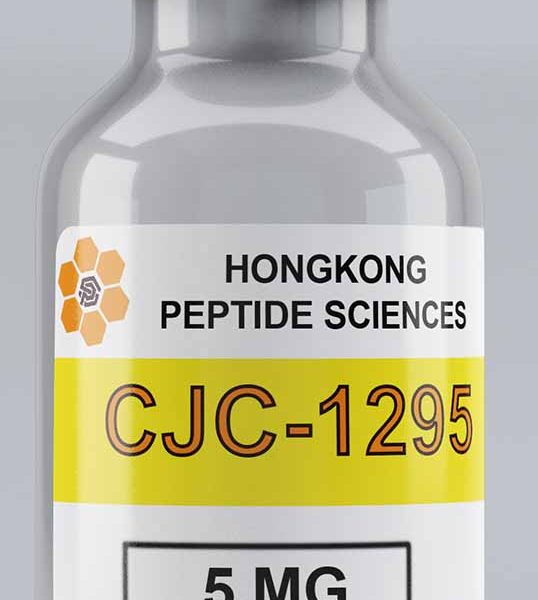
Reviews
There are no reviews yet.